
Introduction
Parenting is one of the most meaningful responsibilities in life, but it also comes with many challenges. Every child has different needs, interests, emotions, and learning abilities. Parents must continuously adapt their approaches to support their children’s physical, emotional, social, and intellectual development. From managing daily routines to building strong family relationships, successful parenting requires patience, understanding, and consistent effort. In today’s rapidly changing world, families also face new challenges related to technology, education, communication, and social influences.
Fparentips represents an approach to exploring practical parenting knowledge and useful family guidance. It can be understood as a concept focused on helping parents discover better ways to raise children, encourage positive habits, and create supportive home environments. By considering different parenting strategies, families can develop healthier relationships and make more thoughtful decisions throughout their parenting journey.
Understanding the Meaning of Fparentips
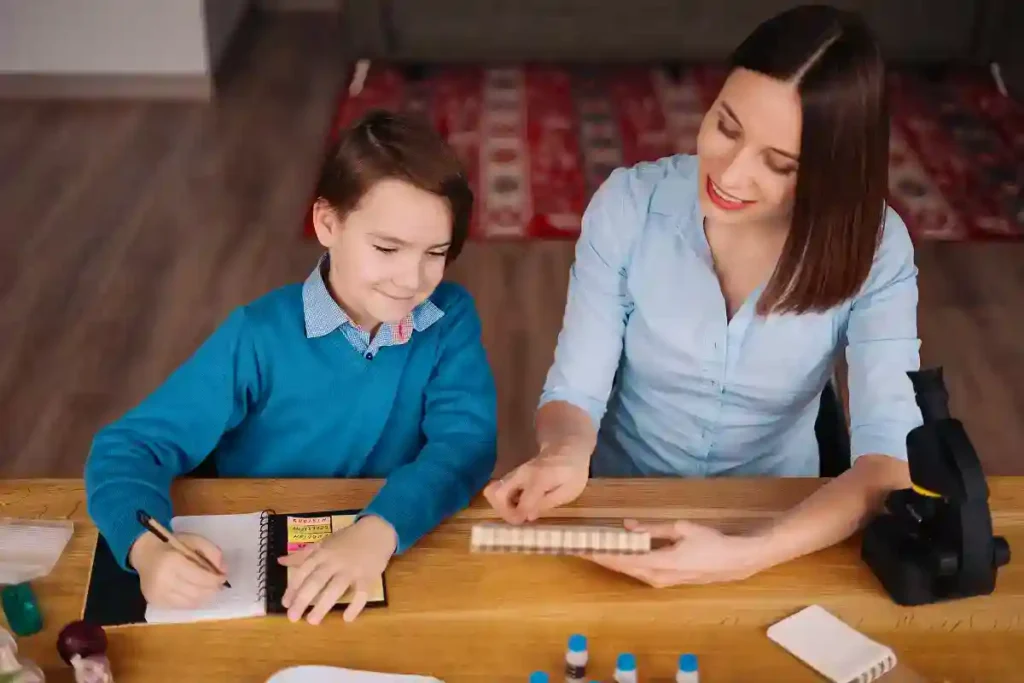
Parenting information is widely available through books, educational resources, family discussions, and digital platforms. However, finding useful advice that fits a particular family’s circumstances can sometimes be difficult. Parents often look for simple recommendations that they can apply to everyday situations without making family life unnecessarily complicated.
Fparentips can be viewed as a parenting-focused concept that brings attention to practical knowledge, family values, and child development. Its central idea is that parenting does not require perfection. Instead, it involves learning from experiences, understanding individual differences, and making consistent improvements. Parents who remain open to new ideas can develop approaches that better support their children’s changing needs.
This perspective also encourages parents to balance traditional family values with modern parenting practices. Respect, kindness, responsibility, and honesty remain important, while communication, emotional awareness, and digital literacy have become increasingly relevant.
Why Modern Parenting Requires a Thoughtful Approach
Modern family life is different from previous generations in several ways. Children have access to digital entertainment, online learning, social media, and communication technologies at younger ages. At the same time, parents often manage professional responsibilities, household activities, education expenses, and family commitments.
These circumstances make thoughtful parenting especially important. Parents need to establish boundaries while allowing children enough freedom to explore their interests. They must also understand that children develop at different speeds and may respond differently to the same parenting techniques.
A balanced approach involves listening carefully, providing appropriate guidance, and maintaining reasonable expectations. Rather than focusing only on academic achievements or outward behaviour, parents should consider their children’s overall well-being. This includes emotional confidence, physical health, friendships, creativity, and the ability to solve problems independently.
Building Strong Communication Within the Family
Communication is one of the foundations of a healthy parent-child relationship. Children need to feel comfortable discussing their experiences, asking questions, and expressing their emotions. When parents listen without immediately criticizing or dismissing their concerns, children are more likely to develop trust.
Good communication begins with everyday conversations. Parents can ask children about school, hobbies, friendships, and personal interests. These discussions do not always need to involve serious topics. Even small conversations during meals or family activities can strengthen emotional connections.
Parents should also pay attention to their tone and body language. Speaking calmly, maintaining patience, and showing genuine interest can make difficult conversations easier. When disagreements occur, explaining expectations clearly is generally more productive than relying entirely on anger or punishment.
The principles associated with Fparentips highlight the importance of making communication a regular part of family life rather than something reserved for difficult situations.
Encouraging Positive Habits in Children
Healthy habits developed during childhood can influence a person’s lifestyle for many years. Parents play an important role in introducing routines that support physical health, emotional balance, and personal responsibility.
Regular sleeping schedules, nutritious meals, outdoor activities, reading, and personal hygiene are useful starting points. Children are more likely to adopt these habits when parents demonstrate them consistently. For example, families that regularly read together can naturally encourage an interest in books and learning.
Parents should avoid expecting children to change every habit immediately. Small, manageable improvements are often easier to maintain. Creating realistic routines and recognizing consistent effort can help children develop motivation.
Positive reinforcement is another valuable strategy. Instead of focusing exclusively on mistakes, parents can acknowledge responsible behaviour, helpful actions, and improvements. This approach encourages children to understand the benefits of making good choices.
Supporting Emotional Development
Emotional development is an essential part of childhood. Children experience happiness, frustration, disappointment, excitement, fear, and many other emotions as they grow. Learning how to recognize and manage these feelings helps them build healthier relationships and develop confidence.
Parents can support emotional development by teaching children that every emotion deserves understanding, although not every behaviour is acceptable. For example, feeling angry is normal, but expressing anger through hurting others is not appropriate.
When children experience difficult moments, parents should try to understand the situation before responding. Asking simple questions and giving children time to explain themselves can provide useful insight. Parents can also introduce age-appropriate techniques such as deep breathing, taking a short break, drawing, or talking about feelings.
A supportive home environment helps children understand that they can make mistakes and learn from them without losing their parents’ love and encouragement.
Creating a Healthy Balance Between Technology and Family Life
Technology has become a regular part of education, entertainment, and communication. Smartphones, tablets, computers, and television can provide valuable learning opportunities, but excessive screen time may interfere with sleep, physical activity, and face-to-face interaction.
Parents should establish clear and age-appropriate technology rules. These might include avoiding devices during meals, keeping screens away from bedtime routines, and choosing educational or age-suitable content. The purpose should be to encourage responsible technology use rather than creating unnecessary conflict.
Parents should also demonstrate healthy digital habits themselves. Children observe how adults use their phones, manage online activities, and respond to digital distractions. Setting a positive example can make household rules easier to follow.
Regular family activities such as outdoor games, cooking, reading, and conversations provide alternatives to screen-based entertainment. A balanced approach allows children to benefit from technology while maintaining important real-world experiences.
Making Learning Enjoyable at Home
Education does not happen only inside classrooms. Everyday family activities can provide opportunities for children to develop curiosity, creativity, and practical knowledge. Parents can encourage learning by involving children in activities that connect academic ideas with real-life situations.
Cooking, for instance, can introduce basic mathematics through measurements and counting. Gardening can help children understand plants, nature, and environmental responsibility. Reading stories together can strengthen vocabulary, imagination, and communication skills.
Parents should avoid placing unnecessary pressure on children to perform perfectly. Instead, they can encourage questions, experimentation, and independent thinking. Children often learn more effectively when they feel interested and involved in an activity.
Providing access to age-appropriate books, puzzles, creative materials, and educational games can also support development. The goal is to create an environment where learning feels like a natural and enjoyable part of everyday life.
Teaching Responsibility and Independence

Helping children become independent is an important long-term parenting goal. As children grow, they need opportunities to make decisions, complete age-appropriate tasks, and understand the consequences of their actions.
Simple responsibilities can be introduced gradually. Younger children might put away their toys, organize school supplies, or help arrange their belongings. Older children may participate in household chores, manage study schedules, and take greater responsibility for personal routines.
Parents should provide guidance without completing every task on their children’s behalf. Mistakes can become valuable learning opportunities when handled with patience and constructive feedback.
Independence also involves decision-making. Parents can offer children limited choices, such as selecting between two suitable activities or deciding how to organize their homework time. These experiences gradually build confidence and problem-solving abilities.
Managing Parenting Challenges With Patience
No parenting journey is completely free from difficulties. Children may experience behavioural changes, academic pressure, friendship problems, or disagreements with family members. Parents may also struggle with stress, limited time, and competing responsibilities.
Patience is particularly important during challenging situations. Reacting immediately with frustration can sometimes make problems more complicated. Taking a moment to understand what happened allows parents to respond more thoughtfully.
Consistency is equally valuable. Children benefit from clear expectations and predictable boundaries. Rules should be reasonable, explained properly, and applied fairly. However, parents should also recognize when circumstances require flexibility.
Fparentips encourages a learning-oriented perspective on parenting. Rather than treating every challenge as a failure, parents can use difficult experiences to understand their children better and improve their communication strategies.
Strengthening Family Relationships Through Shared Activities
Family relationships become stronger when members spend meaningful time together. Busy schedules can make regular interaction difficult, but even small shared activities can create lasting memories.
Families can plan weekly meals, evening walks, board games, storytelling sessions, or weekend outings. These activities provide opportunities for children and parents to connect outside academic responsibilities and household routines.
Shared activities also teach cooperation and teamwork. Children learn to participate, communicate, take turns, and respect the interests of others. Parents can use these moments to understand their children’s personalities and interests more deeply.
The most important factor is not how expensive or elaborate an activity may be. Simple experiences, when repeated with genuine attention and care, can contribute significantly to a child’s sense of belonging and family connection.
The Importance of Positive Parenting
Positive parenting focuses on building respectful relationships while providing appropriate guidance and discipline. It does not mean allowing children to do whatever they want. Instead, it involves combining affection, clear boundaries, encouragement, and accountability.
Parents can practise positive parenting by recognizing good behaviour, explaining rules, and correcting mistakes without humiliating children. When children understand why a particular action is inappropriate, they may become more willing to make better decisions.
Another important element is recognizing individual differences. Some children are naturally outgoing, while others may need more time to feel comfortable in social situations. Some learn through visual activities, while others respond better to practical demonstrations.
A flexible approach allows parents to support these differences without comparing children unnecessarily. Every child deserves opportunities to develop according to their own abilities and interests.
How Fparentips Can Support Everyday Family Decisions
Parenting decisions often involve situations that seem small but can influence family routines and relationships. These include choosing suitable activities, managing homework schedules, establishing household rules, and responding to behavioural changes.
Fparentips provides a useful framework for thinking about such situations through practical parenting principles. Rather than relying on complicated solutions, parents can focus on understanding the problem, considering the child’s needs, and selecting an appropriate response.
It is also important to evaluate parenting information carefully. Not every recommendation is suitable for every age group or family situation. Parents should consider reliable educational and child-development resources when making important decisions. Professional guidance may also be appropriate when a child experiences persistent developmental, behavioural, or emotional difficulties.
The most effective parenting approach is one that supports children’s well-being while respecting the family’s individual circumstances.
Conclusion
Parenting is a continuous learning experience that requires patience, communication, flexibility, and commitment. Every stage of childhood introduces different opportunities and challenges, making it important for parents to remain attentive to their children’s changing needs. From encouraging positive habits and supporting emotional development to managing technology and teaching independence, small everyday actions can make a meaningful difference.
Fparentips represents a practical way of thinking about modern parenting and the importance of creating a supportive family environment. By focusing on understanding, positive communication, healthy routines, and consistent guidance, parents can help children develop valuable life skills. Ultimately, successful parenting is not about following a perfect formula. It is about building trust, encouraging growth, and helping children become confident, responsible, and caring individuals.


