
Introduction
If you are planning to grow colorful flowers in your garden, you may wonder, are cosmos annuals or perennials? Cosmos are popular flowering plants known for their delicate foliage, tall stems and attractive daisy-like blooms. They are especially valued because they can produce abundant flowers while requiring relatively simple care. The answer depends partly on the species and the climate in which the plant is grown. Most commonly cultivated cosmos, including Cosmos bipinnatus and Cosmos sulphureus, are grown as annuals. They generally complete their life cycle within one growing season, producing flowers and seeds before dying back.
However, cosmos can sometimes appear to behave like perennials because they readily produce seeds. In suitable climates, fallen seeds can germinate naturally during a later growing season, giving gardeners the impression that the original plants have returned. Understanding their life cycle, growing conditions and reseeding behavior can help gardeners enjoy cosmos flowers year after year.
Are Cosmos Annuals or Perennials?
So, are cosmos annuals or perennials? Most garden cosmos are classified as annual plants. An annual completes its entire life cycle during one growing season. It germinates from seed, develops foliage and stems, produces flowers, forms seeds and eventually dies.
Common garden varieties such as Cosmos bipinnatus are usually treated as annuals, particularly in regions where winter temperatures are too cold for them to survive. Cosmos sulphureus is also generally grown as an annual.
Some cosmos species and related plants can behave differently depending on climate. In warm, frost-free environments, plants may survive longer than they would in colder regions. However, for most gardeners, the practical approach is to grow cosmos as annual flowers and allow them to reseed naturally.
Their ability to produce many seeds is one of the reasons cosmos can return to the same garden every year without gardeners having to purchase new plants.
Understanding the Cosmos Life Cycle
The life cycle of cosmos begins when seeds germinate in suitable soil and weather conditions. Young seedlings develop thin stems and finely divided leaves. As the plant grows, it becomes taller and eventually produces flower buds.
Once flowering begins, cosmos can continue producing blooms for a considerable portion of the growing season when conditions are favorable. Pollinators such as bees and butterflies are often attracted to the open flowers.
After flowering, the plant develops seeds. If mature seeds fall onto the soil, some may remain dormant until environmental conditions become suitable for germination. The original plant eventually completes its life cycle.
This natural process explains why gardeners frequently see new cosmos plants in the same area the following season. The new plants are not necessarily the same individual plants surviving through winter. Instead, they are often seedlings produced from the previous generation.
Why Cosmos Can Come Back Every Year
One reason gardeners ask are cosmos annuals or perennials is that cosmos often seem to return without being replanted. This happens because many varieties produce large quantities of seeds.
When flowers are allowed to remain on the plant after blooming, mature seeds can develop. Eventually, these seeds may fall naturally around the garden. Some can germinate during the next suitable growing season.
This process is known as self-seeding or natural reseeding. It can create a reliable supply of cosmos plants year after year. In favorable gardens, new seedlings may appear in areas where cosmos were previously grown.
The resulting plants may not emerge exactly where the original plants grew. Wind, rain, animals and normal garden activity can move seeds to nearby areas.
Natural reseeding makes cosmos especially appealing to gardeners who want low-maintenance flowers and enjoy a somewhat informal garden style.
Annual Cosmos in Cold Climates
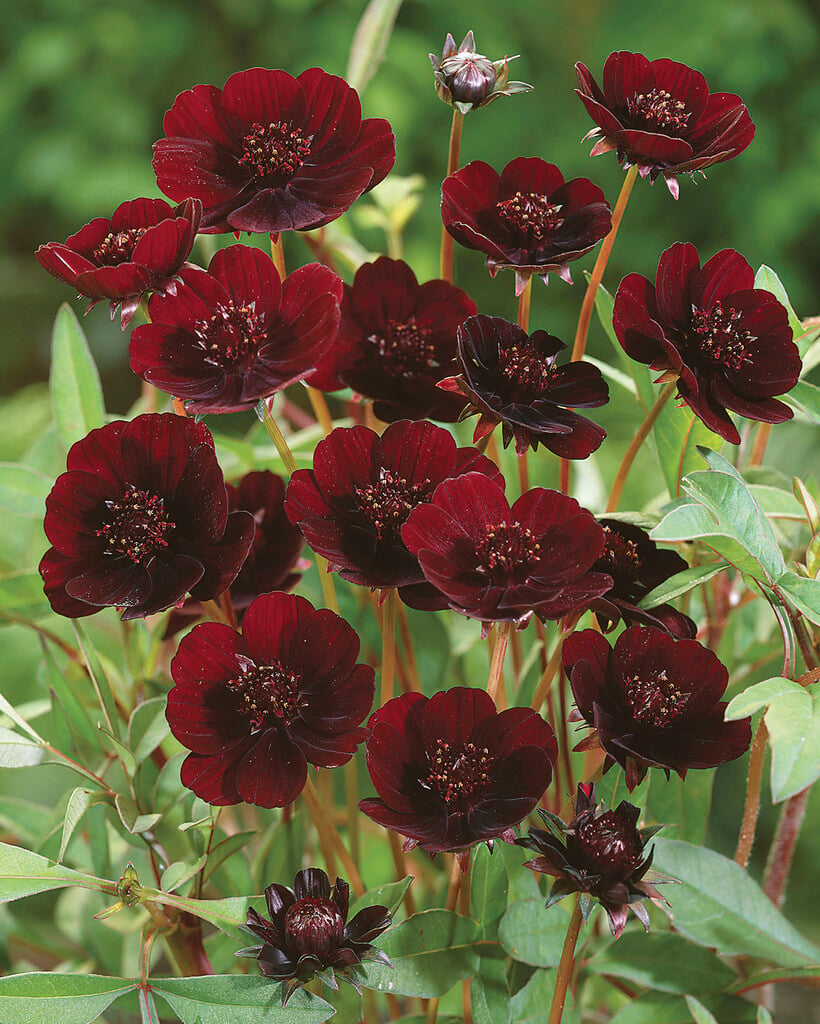
In regions with cold winters, cosmos are usually unable to survive freezing temperatures as mature plants. Once temperatures drop significantly, the flowering season ends and the plants eventually die.
Gardeners in these regions generally grow cosmos from seed each spring. Seeds can be sown directly into the garden after the risk of severe frost has passed.
Although the plants themselves may not survive the winter, seeds left in the soil can sometimes survive and germinate later. This depends on local climate, soil conditions and winter temperatures.
Gardeners who want reliable results can collect mature seeds at the end of the growing season and store them for planting later. This provides more control over where and when new cosmos plants are grown.
Cosmos in Warm Climates
The answer to are cosmos annuals or perennials can seem less straightforward in warm climates. In areas without significant frost, cosmos may continue growing for longer periods and can sometimes behave more like long-lived plants.
However, common garden cosmos are still generally treated botanically and horticulturally as annuals. Their ability to survive longer under favorable conditions does not necessarily change their typical classification.
Warm climates can also encourage continuous reseeding. When plants produce flowers and seeds over an extended period, the garden may contain seedlings at different stages of growth.
This can create an almost permanent display of flowers. Older plants may finish their life cycle while younger seedlings take their place, making it appear as though the same cosmos plant has survived.
How Cosmos Reseed Naturally
Natural reseeding is one of the most useful characteristics of cosmos. After flowers fade, gardeners can leave some spent blooms on the plants instead of removing them immediately. The flowers eventually produce mature seeds.
When seeds become fully developed, they can fall onto the soil. Some may germinate relatively quickly if moisture and temperature are suitable, while others may remain dormant until the following growing season.
Gardeners who want cosmos to reseed should avoid removing every spent flower. Leaving a portion of the flowers to mature can increase the chances of getting volunteer seedlings later.
However, natural reseeding is not always predictable. Seeds may germinate in inconvenient locations or fail to appear if environmental conditions are unsuitable. For more precise gardening, collecting and storing seeds can be a better approach.
Growing Cosmos From Seed
Growing cosmos from seed is relatively straightforward, which is another reason these flowers are popular. Seeds can generally be sown directly into prepared garden soil when conditions are appropriate.
Cosmos prefer a sunny location with good drainage. Excessively rich soil can encourage abundant foliage at the expense of flowers, so extremely fertile conditions are not always necessary.
Once seedlings emerge, they should receive adequate sunlight and enough water to establish healthy roots. As plants become established, cosmos are generally capable of tolerating some dry conditions better than consistently waterlogged soil.
Starting with seeds also gives gardeners access to a wide range of flower colors and plant heights. Depending on the variety, flowers can appear in shades such as white, pink, red, orange and yellow.
Cosmos Care During the Growing Season
Proper care can help annual cosmos produce a long-lasting display of flowers. Sunlight is particularly important because insufficient light can lead to weaker, taller plants and reduced flowering.
Watering should be adjusted according to local weather and soil conditions. Newly planted seedlings require more consistent moisture while establishing roots. Mature plants typically need less frequent watering if rainfall is adequate.
Deadheading can encourage continued flowering by preventing the plant from putting all its energy into seed production. However, gardeners who want natural reseeding should leave some flowers untouched so seeds can mature.
Tall varieties may occasionally benefit from support, especially in windy locations. Good spacing can also improve air circulation around the plants and make the garden easier to maintain.
Do Cosmos Need Winter Protection?
If you are asking are cosmos annuals or perennials, winter behavior is an important part of the answer. In cold climates, most common cosmos will not survive freezing winter conditions as established plants.
Because they are generally grown as annuals, extensive winter protection is usually unnecessary. Instead, gardeners can allow selected flowers to produce seeds or collect seeds for the next growing season.
In areas with mild winters, some cosmos plants may remain alive for longer. Nevertheless, gardeners should consider the specific species, local temperatures and growing conditions before expecting plants to survive.
For most home gardens, treating cosmos as annuals provides the simplest approach. Planting new seeds each growing season can produce healthy plants without requiring complicated winter care.
Are Cosmos Easy for Beginners?
Cosmos are often excellent choices for beginning gardeners. They can grow relatively quickly from seed and generally do not require complicated maintenance.
Their tolerance of ordinary garden conditions makes them useful for flower beds, borders, cottage-style gardens and informal landscapes. Their open flowers also provide valuable nectar and pollen resources for visiting pollinators.
Another advantage is their ability to produce seeds naturally. A gardener who allows some flowers to mature may find new seedlings appearing the following year.
Understanding are cosmos annuals or perennials helps beginners plan their garden more effectively. Rather than expecting established plants to survive every winter, gardeners can think of cosmos as annual flowers that may renew themselves through seed.
Collecting Cosmos Seeds
Seed collection is a simple way to preserve favorite cosmos varieties. Gardeners can allow selected flowers to remain on the plant until the seeds mature and become dry.
The mature seeds can then be collected and stored in a cool, dry location. Properly stored seeds can be planted during the next suitable growing season.
Seed saving is particularly useful if natural reseeding is unreliable in your area. It also gives gardeners greater control over plant placement.
Instead of depending entirely on volunteer seedlings, gardeners can deliberately sow collected seeds where they want flowers to grow. This can help create organized flower beds while still benefiting from the easy-growing nature of cosmos.
Common Misunderstandings About Cosmos
A common misunderstanding is that a flower returning every year must be a perennial. Cosmos demonstrate why this is not always true. A plant can appear repeatedly in the same location because it produces seeds that germinate in subsequent seasons.
Another misconception is that all cosmos behave exactly the same way. Different species and varieties can have different growth habits, and local climate can strongly influence their performance.
Gardeners should therefore consider both plant classification and environmental conditions. In most situations, common garden cosmos should be treated as annuals, even though natural reseeding can create recurring displays.
This distinction makes the answer to are cosmos annuals or perennials clearer: the plants most gardeners grow are annuals, but their seeds can allow cosmos to return naturally from one season to the next.
Conclusion
So, are cosmos annuals or perennials? Most commonly grown garden cosmos are annuals, meaning they typically complete their life cycle within one growing season. They germinate, grow, flower, produce seeds and eventually die. In cold climates, the plants generally do not survive winter.
However, cosmos are excellent self-seeders. Mature plants can drop seeds into the surrounding soil, and those seeds may germinate during a later growing season. This can make cosmos appear to return as perennial plants even though new plants are actually developing from seed.
With plenty of sunlight, suitable soil, reasonable watering and occasional maintenance, cosmos can provide a beautiful seasonal display. Whether you intentionally sow fresh seeds or allow nature to reseed your garden, these colorful flowers can return year after year and remain a rewarding choice for both beginner and experienced gardeners.


