
Introduction
Education plays an important role in shaping a child’s personality, knowledge, confidence, and future opportunities. Choosing the right school is one of the most significant decisions parents make because the school environment can influence how children learn, communicate, build friendships, and develop their interests. A good educational institution should offer more than textbooks and examinations. It should encourage curiosity, independent thinking, creativity, discipline, and respect for others while helping students discover their individual strengths.
When parents explore Cosmos Castle International School, they may want to understand its educational approach, learning environment, teaching practices, extracurricular opportunities, and overall suitability for their children. Evaluating a school requires looking at several factors, including academic support, teacher engagement, classroom facilities, student safety, communication with parents, and opportunities for personal development. This article discusses the qualities families should consider when evaluating a school and explains how a supportive educational environment can contribute to a child’s long-term growth.
Overview of Cosmos Castle International School
Cosmos Castle International School Green Campus is an educational institution located in the Godhavi-Bopal area of Ahmedabad, Gujarat. The school is managed by the Ramdulari Dhansiram Agrasen Charitable Trust and was established in 2016. Its educational philosophy emphasizes academic learning, practical experiences, personal development, and the development of responsible individuals. The school offers educational stages ranging from the foundational years through the senior secondary level, allowing students to progress through different phases of their education within the institution.
Academic Curriculum and Learning Approach
A well-organized curriculum helps students develop essential knowledge while gradually preparing them for more advanced academic challenges. The Central Board of Secondary Education (CBSE) framework followed by the Green Campus provides a structured pathway through primary, middle, secondary, and senior secondary education. Students build foundational skills in language, mathematics, science, social studies, and other subjects before moving toward more specialized academic choices in the higher grades.
Modern Facilities and Campus Environment
The physical environment of a school can influence concentration, comfort, safety, and participation. Cosmos Castle International School Green Campus describes its campus as a green, child-friendly learning environment designed to support different aspects of student development. Its published facilities include classrooms, a library, science laboratories, sports areas, and spaces for co-curricular activities. Such facilities can support a learning experience that combines theoretical knowledge with practical exploration.
Sports and Physical Development
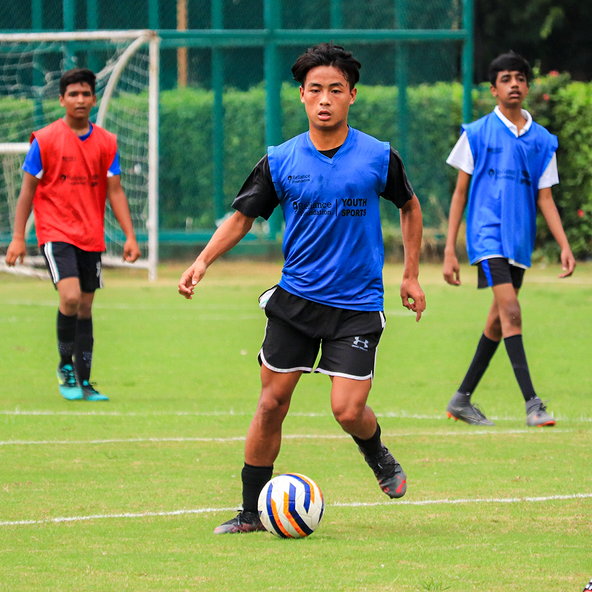
Physical education is an important part of a balanced school experience. Regular participation in sports can improve coordination, endurance, concentration, and overall fitness. Team activities also teach students how to cooperate, follow rules, handle setbacks, and work toward shared goals. The Green Campus lists facilities and opportunities for activities such as football, athletics, basketball, cricket, badminton, chess, and kho kho.
Co-Curricular Activities and Creative Learning
Education becomes more engaging when students have opportunities to explore interests beyond traditional academic subjects. Art, music, dance, drama, creative writing, debates, and environmental clubs can help children discover talents that might not become apparent through classroom examinations alone. The school’s published information highlights co-curricular opportunities involving creative expression, public speaking, science activities, literary sessions, workshops, and competitions.
Environmental Awareness and Sustainability
Environmental education helps children understand the relationship between human activities and the natural world. Schools can make these lessons more meaningful by combining classroom discussions with practical initiatives, such as recycling, composting, gardening, water conservation, and responsible energy use. Cosmos Castle International School Green Campus describes sustainability initiatives covering air, water, waste, land, and energy. Its published information also mentions activities involving tree planting, solar energy, rainwater harvesting, and environmental awareness.
Student Safety and Well-Being
A safe, welcoming school environment is essential for effective learning. Children are more likely to participate, ask questions, and develop relationships when they feel respected and supported. Parents should therefore examine the school’s arrangements for supervision, campus access, emergency response, cleanliness, drinking water, first aid, and communication with families. The school’s published admissions information describes measures including CCTV cameras, fire safety arrangements, first-aid availability, filtered drinking water, and transport safety procedures.
Admission Process and Important Considerations
Parents interested in Cosmos Castle International School should begin by identifying the appropriate grade and confirming the admission requirements for the relevant academic year. The school’s published admissions information describes an initial enquiry, completion of an application, an optional campus visit, and a review of the application before an admission decision. Requirements and available places can vary, so families should confirm the current details directly with the admissions team.
How Parents Can Choose the Right School
Selecting a school requires looking beyond its name, infrastructure, or reputation. Parents should consider whether the educational environment supports their child’s academic ability, personality, interests, and long-term goals. Some children thrive in practical learning environments, while others benefit from structured classroom instruction, additional academic guidance, or more opportunities for creative expression. Understanding these differences can make school selection more thoughtful and effective.
When evaluating Cosmos Castle International School, families can use a campus visit to observe the learning environment, ask questions about teaching practices, and understand how the school approaches student development. Speaking with the admissions team can clarify official policies, while conversations with current parents may offer additional perspectives on everyday experiences. Families should also consider commute time, school timings, communication practices, and the availability of activities relevant to their children. The final decision should reflect a combination of verified information, practical considerations, and the child’s individual needs.
Conclusion
Choosing an educational institution is an important step in preparing children for future opportunities. Academic quality, supportive teachers, practical learning, sports, creative activities, student safety, and effective communication all contribute to a meaningful school experience. A balanced approach helps children build knowledge while developing confidence, responsibility, curiosity, and interpersonal skills.
Cosmos Castle International School Green Campus in Ahmedabad presents an educational environment that includes CBSE academics, sports, science laboratories, co-curricular activities, and environmental initiatives. Families interested in the institution should verify current admission requirements, fees, facilities, and student support arrangements directly with the school. A personal campus visit and a careful comparison of educational priorities can help parents determine whether the institution is the right fit for their child. Ultimately, the best school is one that encourages students to learn with confidence, explore their abilities, and grow into capable, thoughtful, and responsible individuals.


