
Introduction
Cosmos are attractive flowering plants known for their delicate petals, graceful stems, and long-lasting seasonal displays. They are popular with gardeners because they can add color and movement to gardens without requiring complicated maintenance. Depending on the variety, flowers may appear in shades such as pink, white, red, purple, orange, or other warm tones. Their feathery foliage gives the plants a light and airy appearance, while their simple flowers can create a natural and cheerful garden atmosphere. Cosmos are also appreciated for their ability to grow in sunny locations and their suitability for borders, containers, cottage gardens, and informal landscapes. Understanding their growing requirements can help gardeners produce healthier plants and encourage more flowers throughout the season. From choosing a suitable location to managing watering and removing faded blooms, basic care practices can make a significant difference in plant performance.
What Are Cosmos Flowers?
Cosmos are flowering plants belonging to the Asteraceae family. Several species are cultivated as ornamental garden plants, with Cosmos bipinnatus and Cosmos sulphureus among the best-known varieties. They are generally recognized for their daisy-like flowers and finely divided foliage. Depending on the species and cultivar, plants can vary considerably in height, flower color, and overall form.
The name cosmos is associated with an orderly or harmonious arrangement, which is fitting for the plant’s balanced appearance. These flowers can work well in gardens where a relaxed, natural look is desired. Some varieties grow into tall plants that sway gently in the wind, while dwarf types are more suitable for containers and smaller spaces. Their uncomplicated appearance makes them popular with both beginner and experienced gardeners.
Popular Cosmos Varieties
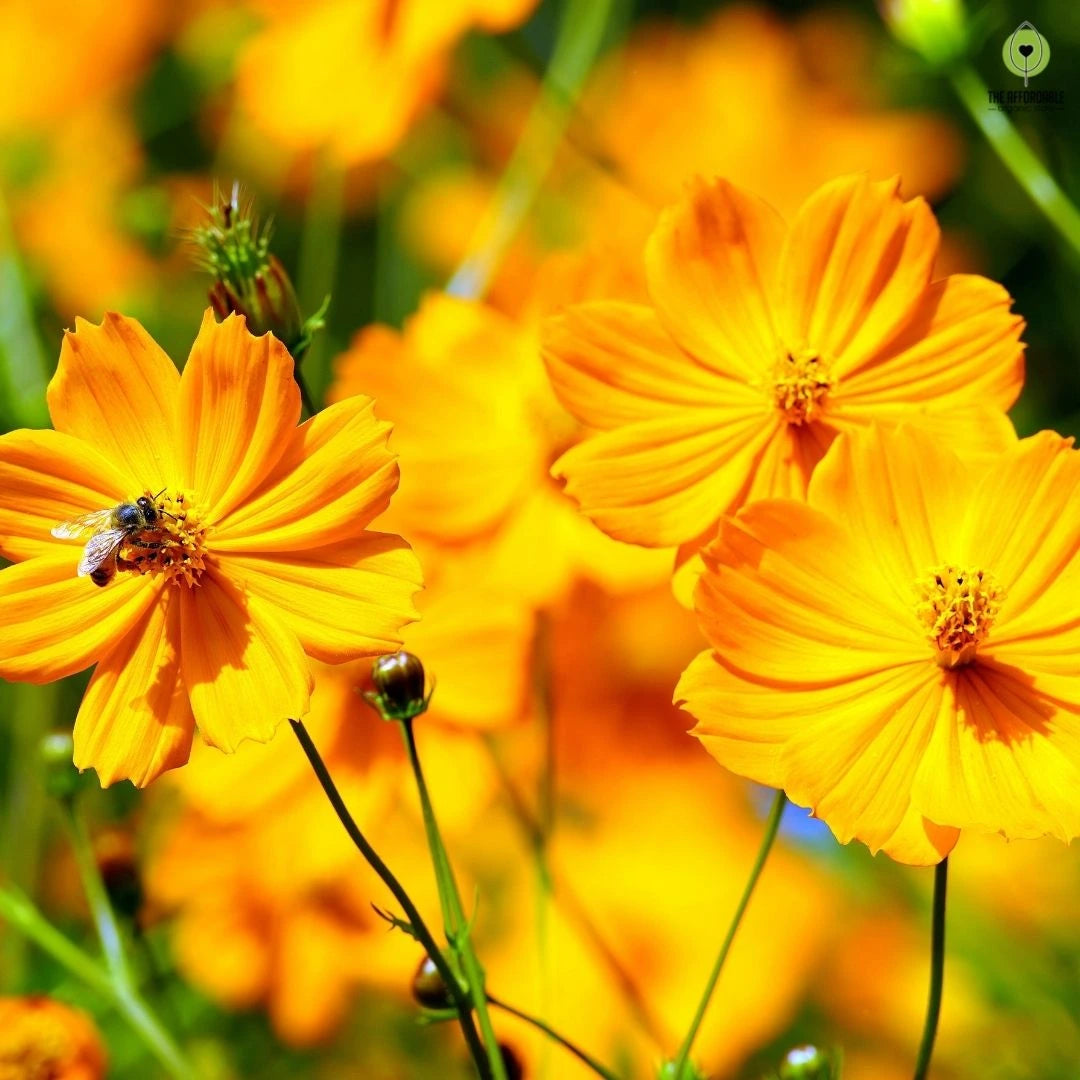
Different cosmos varieties provide gardeners with choices in color, size, and flowering characteristics. Cosmos bipinnatus is particularly popular for its pink, white, and reddish flowers, while Cosmos sulphureus is commonly associated with yellow, orange, and warm red shades. There are also cultivated varieties that have double flowers, semi-double blooms, or unusual color patterns.
Selecting a variety should depend on the available space and the desired garden style. Tall varieties can be planted toward the back of flower beds, where their height creates a soft background. Shorter cultivars can be used along pathways or in containers. When choosing cosmos, gardeners should consider mature plant height rather than judging only by the appearance of young seedlings. Providing adequate space allows plants to develop naturally and reduces overcrowding.
Best Growing Conditions
Cosmos generally perform well when they receive plenty of sunlight and are planted in soil with good drainage. A sunny position encourages strong stems and abundant flowering, while excessively shaded conditions may produce taller, weaker growth with fewer flowers. These plants are often considered relatively adaptable, making them suitable for a range of garden settings.
Soil does not necessarily need to be extremely rich. In fact, excessively fertile soil can sometimes encourage lush foliage at the expense of flowers. A reasonably fertile, well-draining growing medium is usually sufficient. Before planting cosmos, gardeners can improve heavy soil by incorporating suitable organic material while ensuring that excess water can drain away. Good air circulation around the plants can also reduce problems associated with prolonged moisture.
Planting Cosmos From Seeds
Growing cosmos from seeds is one of the easiest ways to establish a new display. Seeds can be sown directly into prepared garden soil when conditions are suitable. They generally do not need to be buried deeply because they require suitable conditions near the soil surface for germination. Lightly covering the seeds with a thin layer of soil is usually sufficient.
Gardeners should keep the soil reasonably moist during germination without making it waterlogged. Once seedlings emerge, they can be thinned if they are growing too closely together. Giving young cosmos plants enough space helps reduce competition for sunlight, water, and nutrients. Seed-starting indoors can also be useful where gardeners want to establish plants before moving them outdoors, although direct sowing can be simpler when the climate is favorable.
Sunlight Requirements
Sunlight is one of the most important factors influencing flowering. Cosmos generally prefer a location with several hours of direct sunlight each day. A bright position encourages compact, healthy growth and supports flower production. Plants grown in insufficient light may become elongated as they stretch toward available sunlight.
When planning a garden, observe the area throughout the day to determine how much direct sunlight it receives. Buildings, walls, trees, and other plants can create changing shade patterns. A location that appears sunny in the morning may become shaded later in the afternoon. Providing adequate light can help cosmos develop stronger stems and produce more consistent blooms. In very hot climates, some afternoon protection may be helpful, but excessive shade should generally be avoided.
Watering and Moisture
Young cosmos plants need consistent moisture while they are becoming established. Once the plants are well rooted, they can generally tolerate periods of relatively dry conditions better than many moisture-loving flowers. Overwatering can create problems, particularly when soil drainage is poor.
Gardeners should check the soil before watering rather than following a rigid schedule. If the upper layer has become dry, watering can be provided at the base of the plant. Avoiding frequent wetting of the foliage can also help maintain healthier plants. Established cosmos typically benefit from a balanced approach in which the soil receives enough moisture to support growth without remaining constantly saturated.
Fertilizing Cosmos
Cosmos are not generally heavy feeders. Gardeners may be tempted to add large quantities of fertilizer in an effort to encourage growth, but excessive nitrogen can produce abundant leaves while reducing flower production. A moderate amount of nutrients is usually enough when plants are growing in reasonably good soil.
If the soil is poor, adding compost or another suitable organic amendment before planting can improve its structure and nutrient content. Fertilizer should be used according to the needs of the soil and the plant rather than applied automatically. Healthy cosmos plants often perform well with relatively simple care, which is one reason they are attractive to gardeners looking for low-maintenance flowering plants.
Deadheading and Flower Production
Removing faded flowers, known as deadheading, can help maintain a tidy appearance and encourage continued flowering in many garden situations. Once a flower has finished blooming, cutting it back before it produces mature seeds can redirect the plant’s energy toward additional flowers.
Gardeners who want the plants to self-seed may choose to leave some flowers in place until seeds mature. This can result in new plants appearing naturally in the following growing season when conditions are suitable. Whether to deadhead cosmos depends largely on the desired garden style. Those wanting a long, neat flowering display may remove faded blooms regularly, while gardeners interested in naturalized planting may allow some seed heads to develop.
Growing Cosmos in Containers
Cosmos can also be grown in containers, particularly compact varieties. A suitable pot should have drainage holes and enough depth to support the plant’s root system. Container-grown plants may dry out more quickly than those planted directly in garden soil, so moisture should be monitored regularly.
A container should be positioned where the plants receive sufficient sunlight. Tall varieties may require support because their stems can become top-heavy when flowering. Smaller cultivars can be easier to manage on balconies, patios, terraces, and other limited spaces. Growing cosmos in containers also allows gardeners to move plants when necessary, although unnecessary movement should be avoided once plants are well established.
Common Problems When Growing Cosmos
Although cosmos are generally easy to grow, several issues can affect their appearance. Poor sunlight can result in weak, stretched plants, while excessive watering may contribute to root problems. Overcrowding can reduce airflow and create a less favorable growing environment. Very fertile soil can also encourage foliage rather than flowers.
Pests may occasionally appear, particularly on young or stressed plants. Regular observation makes it easier to notice changes before they become serious. Gardeners should inspect leaves, stems, and flower buds periodically. Maintaining appropriate spacing, sunlight, watering, and general garden hygiene can help reduce many common problems. Healthy cosmos plants are generally better able to withstand ordinary environmental stresses.
Cosmos and Garden Wildlife
Flowering gardens can provide valuable resources for pollinating insects and other small creatures. Open, daisy-like flowers can make nectar and pollen accessible to bees, butterflies, and other visitors. Planting a variety of flowering plants with different blooming periods can create a more continuous food source throughout the growing season.
Cosmos can contribute to this type of garden by adding flowers over an extended period when growing conditions are favorable. Their light foliage and open flower structure also make them visually attractive in naturalistic planting schemes. Gardeners interested in supporting pollinators can combine cosmos with other suitable flowering plants rather than relying on a single species. A diverse garden generally provides a broader range of resources and habitats.
When Do Cosmos Bloom?
The flowering period depends on the species, planting time, climate, and growing conditions. When planted at an appropriate time and given sufficient sunlight, cosmos can begin flowering several weeks after establishment. They may continue producing flowers for an extended part of the growing season, particularly when faded blooms are regularly removed.
Temperature also influences flowering. In climates with suitable warm conditions, the plants can establish quickly. In cooler conditions, growth may take longer. Gardeners should therefore consider local weather rather than relying on a single calendar date. If cosmos are growing strongly but have not yet produced flowers, insufficient sunlight, excessive fertilizer, or simply immature plants may be possible explanations.
Cosmos in Different Garden Styles
Cosmos are versatile enough to fit several garden designs. Their informal shape works especially well in cottage gardens, wildflower-style borders, cutting gardens, and mixed flower beds. Tall varieties can provide height without creating a heavy visual barrier, while shorter forms can fill containers and front borders.
The flowers can also be useful as cut flowers for indoor arrangements. Cutting fresh stems when flowers are appropriately developed can provide a simple way to bring seasonal color indoors. Gardeners can combine different colors to create a soft, natural appearance or use one dominant shade for a more consistent design. Because cosmos have a relatively delicate appearance, they pair well with grasses, herbs, and other plants with contrasting foliage.
Saving Cosmos Seeds
Gardeners can save seeds from mature flowers for future planting. After flowering, seed heads can be allowed to dry on the plant. Once the seeds are mature, they can be collected and stored in a cool, dry location.
Seed saving is particularly useful for gardeners who want to reduce the need to purchase new seed every season. However, plants grown from saved seeds may not always produce flowers identical to hybrid or specially bred parent plants. If maintaining a particular cultivar’s characteristics is important, commercially produced seed may be preferable. Saving seeds from healthy cosmos plants can nevertheless be an enjoyable part of the gardening process and can encourage greater understanding of the plant’s natural life cycle.
Conclusion
Cosmos are attractive, adaptable flowering plants that can bring color, movement, and a relaxed character to many types of gardens. Their relatively straightforward growing requirements make them suitable for beginners, while their variety of colors, sizes, and forms gives experienced gardeners plenty of opportunities for creative planting. Good sunlight, well-drained soil, sensible watering, moderate nutrition, and occasional deadheading are usually enough to support healthy growth. They can be grown in garden beds, containers, borders, and naturalistic landscapes, while their flowers can also attract pollinating insects and provide material for simple indoor arrangements.
By understanding the plant’s basic needs and selecting varieties appropriate for the available space, gardeners can enjoy a rewarding flowering display. Whether grown from seed or purchased as young plants, cosmos offer an accessible way to add seasonal beauty to outdoor spaces. With regular observation and simple care, these flowers can become a reliable and appealing part of a home garden.


