
Introduction
Flowers bring beauty, color, and freshness to gardens, balconies, and outdoor spaces. Among the many flowering plants admired by gardeners, the cosmos flower stands out for its delicate petals, slender stems, and graceful appearance. These flowers are popular because they are relatively easy to grow, bloom generously under suitable conditions, and attract beneficial pollinators such as bees and butterflies. Their simple yet elegant appearance makes them suitable for cottage gardens, flower beds, borders, and decorative containers.
Native to Mexico and parts of Central America, cosmos plants belong to the Asteraceae family, which also includes daisies and sunflowers. They are commonly grown as annuals in many climates and are available in several colors, including pink, white, purple, red, and orange. With adequate sunlight, well-drained soil, and moderate watering, gardeners can enjoy beautiful flowers throughout much of the growing season. Understanding their growing requirements and maintenance needs can help beginners and experienced gardeners create a colorful, healthy garden.
What Is a Cosmos Flower?
A cosmos flower is a flowering plant known for its daisy-like appearance, fine foliage, and tall, branching stems. Depending on the variety, the plant can grow from around 30 centimeters to more than 1.5 meters tall. Its flowers usually have a central disk surrounded by colorful petals, creating a light and open appearance that looks attractive in both natural landscapes and carefully designed gardens.
Cosmos plants are valued for their adaptability and relatively low maintenance requirements. They can grow successfully in ordinary garden soil when drainage is good and sunlight is plentiful. Many varieties produce flowers over an extended period, particularly when grown in favorable weather conditions. The plants also provide nectar and pollen for visiting insects, making them a useful addition to pollinator-friendly gardens. Their airy foliage and bright blooms allow them to complement other flowering plants without overwhelming the overall garden design.
Popular Types of Cosmos Flowers
There are several species and cultivated varieties of cosmos, each offering different colors, heights, and flower shapes. The most familiar garden varieties belong to Cosmos bipinnatus and Cosmos sulphureus. Choosing the right type depends on the available growing space, local climate, preferred flower colors, and intended use.
1. Cosmos Bipinnatus
Cosmos bipinnatus is one of the most popular garden species. It commonly produces pink, white, lavender, and magenta flowers with broad, delicate petals and a contrasting central disk. Its finely divided foliage gives the plant a soft, feathery appearance, making it especially attractive in cottage gardens and informal flower beds.
Many varieties grow tall and may need support in windy locations. However, their height makes them useful as background plants or for filling open spaces in a garden. They also work well in mixed flower borders alongside marigolds, zinnias, and other sun-loving plants. Gardeners can choose dwarf cultivars for smaller spaces or taller varieties when they want a more natural, meadow-like display.
2. Cosmos Sulphureus
Cosmos sulphureus is recognized for its warm-colored blooms, which commonly appear in shades of yellow, orange, and scarlet. Compared with many varieties of C. bipinnatus, these plants often have broader foliage and a more heat-tolerant growing habit. They are suitable for sunny gardens where bright, energetic colors are desired.
This species is especially useful in summer flower beds because it can perform well in warm conditions when provided with suitable soil and watering. Its colorful blooms attract pollinating insects and combine beautifully with other orange, yellow, and red flowers. Gardeners should select varieties suited to their local climate and provide enough space for the plants to branch naturally.
3. Dwarf Cosmos Varieties
Dwarf cosmos varieties are useful for gardeners who have limited outdoor space. Their shorter growth habit makes them suitable for containers, raised beds, small borders, and balcony gardens. Although these plants are more compact, they can still produce an impressive number of flowers when grown under favorable conditions.
When choosing dwarf varieties, consider the mature height, flower color, and container size recommended for the particular cultivar. Use a pot with drainage holes and a well-draining growing medium. Placing containers in a sunny position will encourage healthy growth and flowering. Regularly removing faded blooms can also help maintain a tidy appearance and, in some varieties, encourage further flowering.
How to Grow Cosmos Flowers at Home
Growing cosmos plants from seeds is straightforward and usually affordable. Seeds can be sown directly into a prepared garden bed or started in containers before transplanting. In climates with distinct seasons, sowing after the risk of frost has passed is generally recommended. In warmer regions, gardeners should consider local seasonal conditions and avoid periods of extreme heat or heavy rainfall.
Choose a location that receives plenty of direct sunlight. Loosen the soil before sowing, remove weeds, and make sure excess water can drain away. Sow the seeds at the depth recommended on the seed packet, then cover them lightly with soil. Water gently to keep the soil slightly moist during germination. Once seedlings emerge, thin crowded plants according to the spacing recommendations for their variety. Proper spacing improves air circulation, reduces competition, and allows mature plants to develop strong stems and healthy flowers.
Best Soil and Sunlight Requirements
Cosmos plants generally prefer well-drained soil and full sunlight. They can grow in moderately fertile garden soil and often tolerate less-than-perfect soil conditions. Extremely rich soil, particularly when combined with excessive fertilizer, may encourage abundant foliage at the expense of flowers. For this reason, adding large quantities of nitrogen-rich fertilizer is usually unnecessary.
Aim to provide at least six hours of direct sunlight daily for reliable flowering. In very hot climates, monitor young plants during heat waves and provide appropriate watering without keeping the roots constantly wet. Heavy clay soil may need improvement to support better drainage, while excessively sandy soil may benefit from organic matter that helps retain some moisture. A balanced growing environment allows the plant to establish roots, develop sturdy stems, and produce flowers throughout its natural blooming period.
Watering and Fertilizing Tips
Young cosmos plants need consistent moisture while their roots become established. Water the soil gently whenever the upper layer begins to dry, adjusting the frequency according to temperature, rainfall, soil type, and container size. Plants growing in pots may require more frequent watering than those planted directly in the ground because containers lose moisture faster.
Once established, cosmos plants are relatively drought-tolerant, although prolonged dryness can reduce flowering and affect plant health. Avoid frequent shallow watering that leaves the root zone dry, and never allow containers to remain in standing water. Fertilizer is generally needed only when the soil lacks essential nutrients. If necessary, use a balanced fertilizer according to its label rather than applying excessive amounts. Good sunlight, suitable spacing, and moderate watering are often more important for flowering than frequent feeding.
When Do Cosmos Flowers Bloom?
The blooming period depends on the species, variety, planting date, and local weather. In many regions, cosmos plants flower during warm months and can continue producing blooms into autumn when conditions remain favorable. Plants grown from seed often begin flowering within roughly two to three months, although some cultivars may bloom sooner or later.
To encourage a longer display, remove faded flowers before they develop mature seed heads. This practice, commonly called deadheading, directs the plant’s resources toward producing additional blooms instead of forming seeds. However, if you want to collect seeds for the next growing season, allow a few flower heads to mature and dry on the plant. Regularly checking the plants also helps you identify damaged stems, overcrowding, or signs of pests before these problems become more serious.
Benefits of Growing Cosmos Flowers
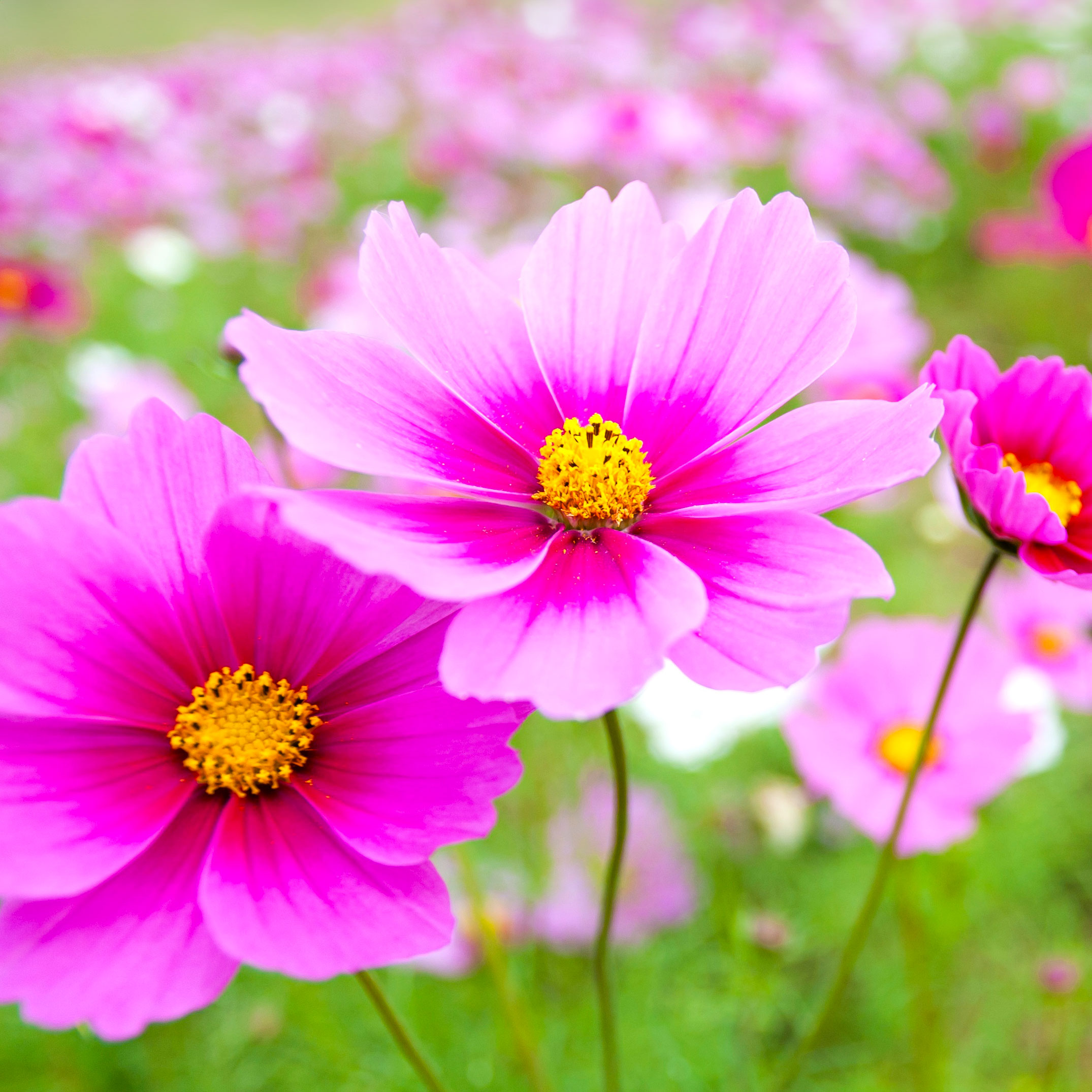
Cosmos plants offer several advantages beyond their decorative value. Their colorful blooms can improve the appearance of home gardens, outdoor seating areas, community spaces, and landscape borders. Because many varieties grow readily from seed, they are a practical choice for gardeners who want seasonal color without investing heavily in plants or specialized equipment.
Another important benefit is their role in supporting pollinators. Open flower centers can provide accessible nectar and pollen for bees, butterflies, and other beneficial insects. Growing cosmos alongside other flowering plants can help create a garden that offers resources across different parts of the season. Their relatively low maintenance requirements also make them appropriate for beginner gardeners and educational gardening projects. While they are valuable ornamental plants, they should not be assumed to have medicinal benefits without reliable scientific evidence.
Common Problems and How to Prevent Them
Although cosmos plants are generally easy to grow, they may occasionally experience problems related to pests, diseases, weather, or growing conditions. Aphids can gather on tender shoots and flower buds, while slugs and snails may damage young seedlings in damp environments. Regularly inspecting leaves and stems helps gardeners identify these issues early. Small pest populations can sometimes be managed by removing affected plant parts or washing insects away with a gentle stream of water.
Poor flowering is another common concern. Too much fertilizer, insufficient sunlight, overcrowding, and unsuitable watering can all affect bloom production. Plants that become excessively tall may also bend or fall over in strong winds, particularly when growing in rich soil. To prevent these problems, provide adequate sunlight, avoid overfeeding, maintain suitable spacing, and use supports when necessary. Good air circulation and avoiding prolonged wet foliage can help reduce the risk of fungal diseases.
How to Use Cosmos Flowers in Garden Design
Cosmos plants fit naturally into many garden styles. Their light foliage and open flowers are particularly attractive in cottage gardens, informal borders, and meadow-inspired planting schemes. Tall varieties can be placed toward the back of a flower bed, while shorter varieties work well along paths or in containers. Combining pink and white flowers with purple or yellow blooms can create a balanced, colorful display.
These flowers can also be planted alongside vegetables and herbs to add color and attract beneficial insects. When planning a mixed garden, consider the mature height of each plant so that shorter flowers receive enough sunlight. Cosmos blooms may also be used in fresh floral arrangements when cut with clean tools and placed in water promptly. For longer-lasting arrangements, choose flowers that have recently opened and remove leaves that would sit below the waterline.
Are Cosmos Flowers Suitable for Beginners?
Yes, cosmos plants are an excellent option for many beginner gardeners because they are relatively easy to establish from seed and do not usually require complicated care routines. They can grow in garden beds, suitable containers, and other sunny locations with adequate drainage. Their fast development also allows beginners to observe the stages of plant growth, from germination and seedling development to flowering and seed formation.
Success still depends on choosing a suitable variety and providing the right conditions. Gardeners should read seed-packet instructions, follow recommended spacing, and adjust watering to their climate. It is also useful to keep a simple gardening record that notes sowing dates, flowering times, and weather conditions. These observations can help improve future planting decisions. With patience and regular attention, beginners can enjoy a rewarding growing experience while learning practical gardening skills.
Conclusion
The cosmos flower is a beautiful and versatile choice for anyone who wants to add color, movement, and natural charm to a garden. Its delicate petals, attractive foliage, and range of varieties make it suitable for large landscapes, small outdoor spaces, and decorative containers. In addition to its ornamental appeal, it can provide useful food resources for pollinators and contribute to a more diverse garden environment.
Successful cultivation depends on a few simple principles: provide plenty of sunlight, choose well-drained soil, water appropriately, avoid excessive fertilizer, and remove faded blooms when continued flowering is desired. By understanding the plant’s needs and selecting varieties suited to local conditions, gardeners can enjoy a generous seasonal display with relatively little effort. Whether you are planting your first seeds or expanding an established flower bed, cosmos can be a rewarding addition to your gardening plans.


