
Introduction
The cosmos plant is a popular flowering garden plant known for its delicate foliage, colorful daisy-like flowers, and easy-growing nature. It is often chosen by beginners because it can adapt to different garden conditions when provided with enough sunlight, suitable soil, and moderate watering. Cosmos flowers can bring a light, natural appearance to flower beds, containers, borders, and cottage-style gardens. Depending on the variety, flowers may appear in shades such as pink, white, red, orange, or deep crimson. The plant can also attract pollinators, making it a useful addition to gardens designed to support bees and butterflies. Understanding its growing requirements, planting time, watering habits, sunlight needs, and flowering cycle can help gardeners maintain healthy plants throughout the growing season.
What Is a Cosmos Plant?
A cosmos plant is an annual or perennial flowering plant belonging to the genus Cosmos, which is part of the daisy family, Asteraceae. Several cosmos species are grown ornamentally, with Cosmos bipinnatus and Cosmos sulphureus among the best-known garden types.
The plants are recognized for their slender stems, finely divided leaves, and open flowers. Their simple appearance makes them suitable for both formal and informal gardens. Cosmos can grow relatively quickly from seed and often produce flowers for an extended period when growing conditions are favorable.
Because they are generally easy to establish, cosmos are frequently recommended to gardeners who want colorful flowers without complicated maintenance requirements.
Popular Cosmos Varieties
There are several varieties and species of cosmos, each offering different flower colors, plant heights, and growing characteristics. Cosmos bipinnatus commonly produces pink, white, or reddish flowers and is often grown in ornamental gardens.
Cosmos sulphureus is generally associated with warmer shades such as yellow, orange, and red. These varieties can create a bright display when planted together.
Some cultivated varieties have been developed with unusual flower forms, including double or semi-double blooms. Others remain relatively compact and are suitable for containers or smaller gardens.
Choosing the right variety depends on available space, climate, desired flower color, and whether the gardener wants tall plants for the back of a border or shorter plants for pots.
Best Location for Growing Cosmos
Choosing a suitable location is one of the most important steps when growing a cosmos plant. Cosmos generally perform best in a sunny location where they can receive several hours of direct sunlight each day.
Good sunlight encourages stronger stems, healthy foliage, and abundant flowering. Although cosmos can tolerate some less-than-perfect conditions, excessive shade may result in taller, weaker growth and fewer flowers.
A location with good air circulation can also help keep foliage dry and reduce problems associated with excessive moisture. Gardeners should avoid placing cosmos where surrounding plants completely block sunlight or where water remains around the roots after rainfall.
Soil Requirements
Cosmos are relatively adaptable when it comes to soil. They can grow in ordinary garden soil as long as it drains reasonably well. Extremely rich soil is not always necessary and may encourage excessive leafy growth instead of producing a strong display of flowers.
A moderately fertile soil with good drainage is usually suitable. If the garden soil is heavy, incorporating organic matter can improve its structure and drainage.
The goal is to create an environment where roots can access moisture and nutrients without remaining constantly saturated. Well-draining soil is particularly important because continuously wet conditions can create root-related problems.
Planting Cosmos Seeds
Growing cosmos from seed is one of the easiest ways to establish a new group of plants. Seeds can be sown directly into prepared garden soil once conditions are suitable for growth.
The planting area should be cleared of weeds and lightly prepared before sowing. Seeds generally do not need to be buried deeply. A light covering of soil is usually sufficient.
Once planted, the area should be kept reasonably moist while seeds are germinating. Depending on temperature and growing conditions, seedlings can emerge relatively quickly.
Once young plants become established, gardeners can gradually reduce watering frequency while encouraging the roots to develop deeper into the soil.
Watering a Cosmos Plant
A young cosmos plant needs consistent moisture while its roots are developing. Newly planted seeds and seedlings should not be allowed to dry out completely during establishment.
Once plants are mature, cosmos generally tolerate moderately dry conditions better than prolonged wet soil. Regular but controlled watering can support healthy growth, especially during hot or unusually dry weather.
It is generally better to water deeply when necessary rather than keeping the soil constantly saturated. Allowing the surface to dry somewhat between watering sessions can help prevent excessive moisture around the roots.
Container-grown cosmos may need more frequent watering than plants growing directly in the ground because containers can dry out more quickly.
Sunlight and Flower Production
Sunlight has a direct relationship with flowering. Cosmos generally prefer full sun, and plants grown in bright locations tend to produce more flowers than those growing in heavy shade.
Adequate sunlight also helps stems develop stronger growth. When plants receive insufficient light, they may stretch toward available sunlight and become tall or weak.
If cosmos are grown indoors temporarily, they should eventually be moved to an appropriate outdoor location where they can receive sufficient direct sunlight.
For gardeners seeking a long-lasting flower display, selecting a sunny position is one of the simplest and most effective steps.
When Does Cosmos Bloom?
Cosmos generally begin flowering after they have had enough time to establish and develop. Depending on the variety, planting time, temperature, sunlight, and growing conditions, flowering may begin several weeks after germination.
Once flowering starts, plants can continue producing new blooms for a long period when old flowers are removed and conditions remain favorable.
Weather can influence the exact timing. Warm temperatures and sufficient sunlight can encourage active growth, while unsuitable conditions may delay flowering.
Gardeners should therefore focus on providing consistent growing conditions rather than expecting every plant to bloom on exactly the same date.
Fertilizing Cosmos Plants
Cosmos usually do not require heavy feeding. Excessive fertilizer, particularly fertilizer containing high amounts of nitrogen, can encourage leaves and stems at the expense of flowers.
If the soil is reasonably fertile, additional fertilizer may not be necessary. In poorer soil, a balanced and moderate feeding program can support healthy development.
Gardeners should always follow the instructions for any fertilizer product they use. Applying more fertilizer than necessary does not automatically produce more flowers and can sometimes create unbalanced growth.
A healthy cosmos plant generally benefits more from appropriate sunlight, drainage, and watering than from excessive feeding.
Deadheading for More Flowers
Removing faded flowers is commonly known as deadheading. This simple practice can help maintain a tidy appearance and encourage the plant to continue producing flowers.
When an individual flower begins to fade, gardeners can remove the spent flower and its associated stem. This prevents the plant from directing as much energy toward seed development.
Regular deadheading can be particularly useful when the goal is to maintain a continuous ornamental display. However, gardeners who want to collect seeds for the following season can leave selected flowers on the plant until they mature.
Growing Cosmos in Containers
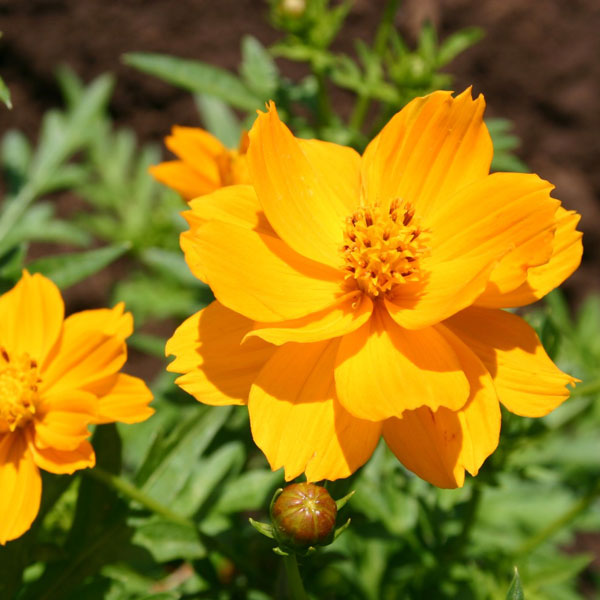
A cosmos plant can also be grown successfully in containers when the container provides enough space for the roots and has good drainage.
Compact varieties are generally easier to manage in pots, although taller varieties can also be grown when provided with suitable support. Containers should have drainage holes to prevent excess water from accumulating around the roots.
Container plants may need more frequent monitoring because potting soil can dry out faster than garden soil. They should receive plenty of sunlight and should not be placed in locations where surrounding structures create excessive shade.
Common Cosmos Growing Problems
Cosmos are generally resilient, but they can still experience problems. Poor flowering may result from insufficient sunlight, excessive fertilizer, overcrowding, or unsuitable growing conditions.
Overwatering can also create problems because constantly wet soil can negatively affect root health. Poor air circulation and prolonged wet foliage may contribute to fungal issues.
Pests such as aphids or other small insects may occasionally appear. Regularly inspecting leaves and stems allows gardeners to notice problems early and respond appropriately.
Good spacing, adequate sunlight, proper watering, and clean growing conditions can help reduce many common problems.
Supporting Tall Cosmos Plants
Some varieties can become tall, especially when grown in fertile soil or under favorable conditions. Tall plants may bend or fall over during heavy rain or strong winds.
Gardeners can provide support using stakes, plant rings, or other suitable garden supports. Support is particularly useful for plants growing in exposed locations.
Another approach is to place taller cosmos among other sturdy plants that can naturally provide some support. However, plants should still have sufficient room and sunlight to maintain healthy growth.
Cosmos and Pollinators
Cosmos flowers can be attractive to various pollinating insects. Their open flower structure allows insects to access pollen and nectar relatively easily.
Adding cosmos to a garden can therefore contribute to a more diverse planting environment. When combined with other flowering plants that bloom at different times, cosmos can form part of a garden designed to provide seasonal resources for pollinators.
Avoiding unnecessary pesticide use and maintaining a variety of flowering plants can further support beneficial insects.
Collecting Cosmos Seeds
Gardeners can collect seeds from mature cosmos flowers if they want to grow plants again in a future season. Seeds should be allowed to mature on the plant before collection.
Once the flower head becomes dry and the seeds have developed, it can be removed and stored in a dry location. Seeds should be kept away from excessive moisture until they are ready to be planted.
Saving seeds can be a simple and economical way to maintain cosmos in the garden year after year, particularly when the plants produce healthy and attractive flowers.
Benefits of Growing Cosmos
The cosmos plant offers several advantages for home gardeners. It is relatively easy to grow, can produce abundant flowers, and does not usually require highly complicated maintenance.
Its delicate foliage and bright flowers can add visual interest to borders, beds, containers, and naturalistic gardens. Cosmos can also be useful for gardeners interested in attracting pollinators.
Another advantage is the ability to grow many cosmos varieties from seed. This gives gardeners an affordable way to create large areas of seasonal color without purchasing mature plants.
Conclusion
The cosmos plant is an excellent choice for gardeners looking for colorful flowers, simple maintenance, and a plant that can adapt to a range of garden conditions. With adequate sunlight, well-draining soil, moderate watering, and occasional deadheading, cosmos can produce attractive flowers for an extended growing period.
Whether grown in a large flower bed, a small garden, or a suitable container, cosmos can provide a cheerful seasonal display. Choosing the right variety, planting at an appropriate time, and avoiding excessive fertilizer or water can help plants remain healthy.
For beginners and experienced gardeners alike, understanding the basic needs of the cosmos plant makes it easier to enjoy its flowers and encourage strong, productive growth throughout the season.


