
Introduction
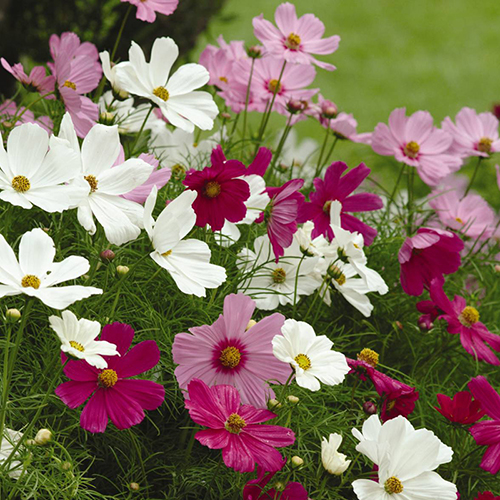
Cosmos is a colorful and relatively easy-to-grow flowering plant that can bring bright shades of pink, white, red, orange, and other tones to gardens and outdoor spaces. Because cosmos can grow well in suitable sunlight and soil conditions, it is a popular choice for home gardens, balconies, borders, and larger landscapes. However, choosing the right sowing period is important because temperature, rainfall, sunlight, and humidity can strongly influence germination and flowering. Understanding when to sow cosmos seeds in India can help gardeners give young plants the conditions they need to establish properly.
India has a wide range of climates, from cool northern winters to warm southern regions and humid coastal areas. Therefore, there is no single sowing date that works perfectly everywhere. In many regions, cosmos seeds can be sown during cooler or moderate-weather periods rather than during extreme summer heat or heavy monsoon conditions. By considering the local climate and seasonal temperatures, gardeners can choose a suitable time and enjoy a longer flowering period.
When to Sow Cosmos Seeds in India
For many parts of India, when to sow cosmos seeds in India depends mainly on local temperature and the season in which you want the plants to flower. In generally mild or cooler regions, seeds are often suitable for sowing from around September through February, with the exact timing depending on local weather. In warmer regions, sowing may be possible during cooler months when temperatures are more moderate.
Cosmos generally prefers warm conditions for active growth but can struggle when exposed to extreme heat during early development. Seeds also need sufficient moisture for germination without remaining in waterlogged soil. Gardeners should therefore avoid choosing a sowing period simply by following a calendar. Looking at local temperatures, rainfall, and sunlight can provide a more reliable indication of whether conditions are suitable.
Best Season for Cosmos Seeds
The best season for sowing cosmos is usually a period when temperatures are moderate and the plants can receive plenty of sunlight. In many Indian gardens, this can correspond with the cooler part of the year. During this period, seedlings can establish without being exposed to the most intense summer temperatures.
In northern and central parts of India, autumn and winter can provide suitable conditions for growing cosmos. Gardeners may sow seeds toward the end of the monsoon or during the cooler months, depending on local conditions. In southern and warmer regions, the planting window can be somewhat different because temperatures may remain relatively high throughout the year.
Cosmos Sowing Time in Northern India
Northern India experiences substantial seasonal changes, making timing particularly important. In areas with cooler winters, gardeners can often sow cosmos during autumn so that plants have time to establish before the coldest period arrives. Another suitable period may occur toward the end of winter when temperatures begin to rise.
Very cold conditions can slow growth, while excessive summer heat can make young seedlings more difficult to manage. Gardeners should therefore choose a period when the weather is neither extremely cold nor intensely hot. Local conditions can vary considerably, so observing temperature patterns in the particular region is helpful.
Cosmos Sowing Time in Southern India
Southern India generally has warmer conditions, so the sowing period may be more flexible in many locations. Gardeners should nevertheless avoid periods of extreme heat or prolonged heavy rainfall. Moderate temperatures with adequate sunlight can provide favorable conditions for germination and early growth.
In warmer cities and regions, gardeners may be able to grow cosmos during cooler months when temperatures become more comfortable. Because frost is less of a concern in many southern areas, the main considerations are excessive heat, moisture, and drainage.
Cosmos Seeds in Western and Central India
Western and central regions can experience hot summers, moderate winters, and varying rainfall patterns. Gardeners in these areas may find cooler months more suitable for cosmos sowing. The period following the monsoon can sometimes provide a useful balance between soil moisture and moderate temperatures.
Gardeners should make sure that excess rain has drained away before sowing. Cosmos does not generally perform well when its roots remain in saturated soil for long periods. A raised bed or well-draining container can be helpful in areas where heavy rainfall is common.
Choosing the Right Temperature
Temperature is one of the most important factors when deciding when to sow cosmos seeds in India. Seeds need a suitable environment for germination, while young seedlings require conditions that allow their roots and leaves to develop steadily.
Rather than focusing on one exact temperature number, gardeners can look for moderate conditions without prolonged extremes. Very hot soil can dry quickly and create stress for emerging seedlings, while very cold conditions can slow germination and early growth.
Gardeners should also consider the temperature of the growing location. A container placed on a sunny rooftop can become considerably warmer than soil in a partially shaded garden, even when the general outdoor temperature appears suitable.
Preparing the Soil Before Sowing
Good soil preparation can improve the chances of successful germination. Cosmos generally prefers loose, reasonably fertile, well-draining soil. Heavy soil that holds too much water can create problems for developing roots.
Before sowing, gardeners can loosen the soil and remove large stones, weeds, and debris. Adding suitable organic matter can improve soil structure, especially when the existing soil is poor or compacted. However, excessive fertilizer is not usually necessary at the seed-sowing stage.
The goal is to create a growing medium that provides moisture while allowing excess water to drain away. Good drainage becomes especially important during India’s rainy periods.
How to Sow Cosmos Seeds
Cosmos seeds are generally easy to sow. They can be placed directly into prepared garden soil or started in containers and later transplanted if necessary. The seeds should not be buried excessively deep because they need suitable conditions near the soil surface to germinate.
After placing the seeds, lightly cover them with soil and provide gentle moisture. Strong streams of water can disturb the seeds or wash them away, so gentle watering is preferable during the early stage.
Once seedlings emerge, they need sufficient sunlight and enough space to develop. Crowded seedlings may compete for light, water, and nutrients, so thinning can be useful when too many plants emerge in one area.
Sunlight Requirements for Cosmos
Cosmos generally performs best in a sunny location. Several hours of direct sunlight can support healthy leaf development and encourage flowering. A location with insufficient light may produce weaker, taller growth and fewer flowers.
When choosing a planting area, gardeners should consider how sunlight changes throughout the day. A spot that receives morning and afternoon sunlight can be particularly useful.
In extremely hot areas, however, newly emerged seedlings may require closer attention to moisture. The goal is to provide strong light while preventing the growing medium from becoming excessively dry.
Watering Cosmos Seedlings
Watering is particularly important immediately after sowing because seeds need moisture to begin germination. The soil should remain lightly moist without becoming saturated.
Once seedlings are established, gardeners can allow the surface of the soil to dry slightly between watering sessions. The exact watering frequency depends on temperature, soil type, container size, rainfall, and sunlight.
During India’s rainy season, natural rainfall may provide sufficient moisture. In such conditions, gardeners should pay attention to drainage rather than automatically adding more water. Overwatering can create an environment that is unfavorable for healthy roots.
How Long Do Cosmos Seeds Take to Germinate?
Under suitable conditions, cosmos seeds can germinate relatively quickly. The exact time depends on temperature, moisture, seed quality, planting depth, and growing conditions. Gardeners should avoid disturbing the soil repeatedly while waiting for seedlings to appear.
If germination seems slow, the growing conditions should be checked first. Soil that is too dry, too wet, too cold, or excessively compacted can interfere with successful emergence.
Once seedlings appear, consistent sunlight and moderate moisture can help them develop stronger stems and leaves.
When Will Cosmos Begin to Flower?
After successful germination and healthy vegetative growth, cosmos can begin flowering within several weeks to a few months, depending on variety and growing conditions. The amount of sunlight, temperature, watering, soil fertility, and plant maturity can all affect flowering time.
Gardeners who sow at an appropriate time can create favorable conditions for flowering during a comfortable part of the year. This is why understanding when to sow cosmos seeds in India is important not only for germination but also for planning the flowering season.
Avoiding Common Sowing Problems
One common problem is sowing during extreme weather. Very high temperatures can make it difficult to maintain consistent moisture, while excessive rainfall can waterlog the soil. Another issue is planting seeds too deeply, which can make emergence more difficult.
Overfertilization is another mistake. Too much nitrogen may encourage leafy growth while reducing the focus on flowers. Gardeners should prioritize suitable soil, sunlight, moderate watering, and good drainage.
Poor-quality or old seeds can also have lower germination rates. Using fresh, properly stored seeds can improve the likelihood of successful growth.
Tips for a Longer Cosmos Flowering Season
Gardeners who want an extended display of flowers can consider staggered sowing. Instead of planting all seeds on one day, they can sow smaller batches at different intervals when local weather remains suitable.
Regularly removing faded flowers can also encourage continued blooming in many cosmos varieties. Keeping plants healthy through appropriate watering and sunlight is equally important.
Avoiding excessive fertilizer can help maintain a balanced growth pattern. Cosmos often performs well without heavy feeding when planted in suitable soil.
Container Growing in India
Cosmos can also be grown successfully in containers. Containers are particularly useful for balconies, terraces, patios, and small gardens. A pot should have adequate drainage holes and enough space for the selected variety.
Container soil can dry faster than garden soil, particularly during hot weather. Gardeners should therefore monitor moisture more frequently while still avoiding excessive watering.
Placing containers where they receive adequate sunlight can encourage healthy growth and flowering. During periods of extreme weather, containers can also be moved to a more suitable location if necessary.
Conclusion
Understanding when to sow cosmos seeds in India is an important part of growing healthy and flowering cosmos plants. In many parts of the country, cooler or moderate-weather periods can provide favorable conditions, but the ideal timing varies according to regional climate, temperature, rainfall, and growing location.
Good soil preparation, appropriate sowing depth, sufficient sunlight, careful watering, and proper drainage can support successful germination and growth. Gardeners should focus on local weather rather than following one fixed calendar date. With the right timing and basic care, cosmos can become a colorful and rewarding addition to Indian gardens, balconies, containers, and outdoor spaces.


