
Introduction
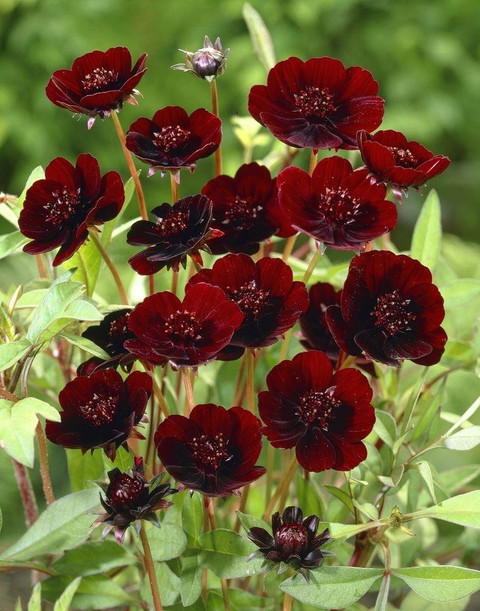
Cosmos flowers are popular among home gardeners because they are colourful, easy to grow, and suitable for gardens, balconies, borders, and pots. Their delicate petals and feathery green foliage add a natural charm to outdoor spaces. Available in shades of pink, white, red, orange, and purple, cosmos flowers can brighten a garden for several weeks when grown under suitable conditions. They are also a good choice for beginners because they generally require little maintenance once established.
Understanding when to sow cosmos seeds in India is important for achieving healthy plants and abundant flowers. India has different climatic conditions, ranging from cool northern winters to warm southern regions and humid coastal areas. Therefore, the ideal sowing period can vary depending on your location, temperature, and seasonal rainfall. In most parts of India, cosmos seeds are best sown during the cooler months or when extreme summer heat has passed. With the right timing, sunlight, soil, and watering routine, you can enjoy a colourful display of cosmos flowers in your garden.
Best Time to Sow Cosmos Seeds in India
The best time to sow cosmos seeds in India is generally from September to November in many regions, especially where winters are mild and summers become extremely hot. During this period, temperatures are often suitable for seed germination and early plant growth. The plants can establish themselves before flowering, producing strong stems and attractive blooms during the cooler season and early spring.
In cooler northern regions, sowing can begin in September or October, depending on local temperatures. In central and western India, October and November are often suitable months. In southern India, where winters are generally milder, cosmos may be grown during a broader range of the year, provided the plants receive enough sunlight and are protected from intense heat and heavy rainfall.
Cosmos can also be sown in spring in some regions, particularly where summers are not excessively hot. However, extreme temperatures can affect plant growth and flowering. Rather than following a fixed calendar alone, gardeners should consider local weather conditions and choose a period when the soil is warm enough for germination but the young plants will not face severe heat.
Month-by-Month Cosmos Sowing Guide
Choosing the right month makes it easier to manage watering, plant growth, and flowering. The following schedule is a general guide for Indian conditions rather than a strict rule for every location.
September: This can be a suitable month for sowing in regions where the monsoon is retreating and the soil is beginning to drain well. Avoid sowing in waterlogged beds or areas that receive continuous heavy rainfall.
October: October is often an excellent month for cosmos sowing in northern, central, and western India. Moderate temperatures help young plants establish roots before flowering begins.
November: November is suitable in many parts of India, particularly where winter temperatures remain mild. Seeds can be sown directly into prepared garden beds or containers.
December to January: In areas with mild winters, cosmos can still grow successfully. In colder regions, low temperatures and frost may slow growth, so choose a protected, sunny position.
February to March: Spring sowing is possible in many locations, especially in areas where temperatures rise gradually. Plants may need additional attention as the weather becomes hotter.
The ideal period depends on your local climate. Gardeners should avoid sowing just before severe heat, prolonged waterlogging, or frost-prone weather.
Understanding the Indian Climate
India’s varied climate means that the same sowing month may not work equally well everywhere. In northern states, autumn sowing often gives cosmos plants a chance to develop before the intense heat of late spring. In cities and regions with mild winters, gardeners may enjoy a longer growing season, while colder locations may require protection during chilly nights.
In western India, including Rajasthan and Gujarat, the main concern is often the transition from monsoon conditions to dry weather and then to rising summer temperatures. Sowing during October or November can be practical when the weather becomes more comfortable. In southern India, the best window may depend on whether the area experiences summer rainfall, a southwest monsoon, or a northeast monsoon.
In humid regions, good drainage is especially important because consistently wet soil can damage roots. In dry regions, regular but moderate watering helps young plants establish themselves. By observing local temperatures, rainfall, and sunlight, gardeners can select a sowing period that suits their surroundings instead of relying only on a general planting calendar.
How to Prepare Soil for Cosmos Seeds
Cosmos plants grow well in loose, well-draining soil that allows their roots to develop freely. They do not require extremely rich soil, and excessive fertilizer can encourage leafy growth at the expense of flowers. Before sowing, remove weeds, stones, and other unwanted materials from the garden bed. Loosen the soil to a depth of approximately 15–20 centimetres so that young roots can spread easily.
If you are growing cosmos in pots, select a container with drainage holes. A suitable potting mixture can include garden soil, cocopeat, and a small quantity of mature compost. The mixture should retain enough moisture for germination without remaining waterlogged. Avoid using heavy clay soil unless you improve its drainage. Proper soil preparation is particularly important during the rainy season because excess moisture can cause seeds to rot before they germinate.
How to Sow Cosmos Seeds Step by Step
Once you have selected the right season, sowing cosmos seeds is a straightforward process. You can plant them directly in the garden or start them in small containers. Direct sowing is often convenient because cosmos plants generally develop best when their roots are disturbed as little as possible.
First, prepare the soil and make shallow holes approximately 5–6 millimetres deep. Place one or two seeds in each spot and cover them lightly with soil. Water gently using a watering can with a fine rose or a spray bottle. Keep the soil lightly moist until the seeds germinate, but avoid excessive watering.
Seeds commonly germinate within about one to two weeks under suitable conditions. Once seedlings develop several true leaves, thin crowded plants to allow enough space for healthy growth. Depending on the variety, spacing plants approximately 25–40 centimetres apart can help improve airflow and allow the flowers to spread naturally.
Sunlight and Watering Requirements
Cosmos flowers prefer a sunny location where they can receive around six to eight hours of direct sunlight daily. Adequate sunlight encourages strong stems, balanced growth, and better flowering. If plants receive too much shade, they may become tall and weak, produce fewer flowers, or lean towards the light.
Watering requirements depend on the weather, soil type, and age of the plant. During germination, the soil should remain slightly moist. Once the plants become established, they can tolerate relatively dry conditions. Water when the upper layer of soil begins to dry rather than following a rigid daily schedule. In hot, dry weather, container-grown cosmos may need more frequent watering than plants growing in garden beds.
During heavy monsoon rainfall, check whether water is collecting around the roots. Improve drainage or move pots to a sheltered location if necessary. Balanced watering is essential because both prolonged dryness during early growth and continuously wet soil can affect plant health.
When Will Cosmos Seeds Start Flowering?
Cosmos plants generally begin flowering around 50–90 days after sowing, although the exact timing varies according to the variety, temperature, sunlight, and growing conditions. Some varieties flower sooner, while others take longer to produce their first blooms. Healthy plants grown in sunny locations with well-drained soil usually establish themselves more successfully.
If you sow seeds in October, you may begin seeing flowers during late autumn or winter, depending on your region and the variety. Spring sowing can produce flowers in late spring or early summer, but extreme heat may shorten the flowering period or reduce flower quality.
To encourage continuous blooms, remove faded flowers before they develop mature seed heads. This practice, known as deadheading, encourages many varieties to produce additional buds. Avoid excessive nitrogen fertilizer, as it can lead to vigorous foliage with fewer flowers. A little patience and consistent care will help you enjoy the full beauty of your cosmos plants.
Common Mistakes to Avoid When Growing Cosmos
Even though cosmos is relatively easy to grow, a few common mistakes can reduce germination and flowering. One frequent problem is sowing seeds too deeply. Cosmos seeds should be covered only lightly because deep planting can delay or prevent emergence. Another mistake is keeping the soil constantly wet, which may cause seeds and young roots to rot.
Planting in a shaded location is another reason for poor flowering. Choose a sunny area and provide enough space between plants to improve airflow. Avoid using too much fertilizer, particularly nitrogen-rich products, because they may encourage foliage rather than flowers.
Gardeners should also consider local weather conditions when deciding when to sow cosmos seeds in India. Sowing during intense heat, severe rainfall, or unsuitable cold conditions can make it harder for seedlings to establish themselves. Choosing a suitable seasonal window and adjusting watering practices to local conditions will improve your chances of success.
Tips for Growing Cosmos in Pots and Balconies
Cosmos flowers are suitable for balconies, terraces, and small home gardens. Choose a container that is deep and wide enough for the variety you are growing. Compact varieties are especially useful for smaller spaces, while taller varieties may require larger containers and occasional support.
Place the pot where it receives several hours of direct sunlight. Use a free-draining potting mixture and ensure that water can escape through the drainage holes. Sow seeds directly into the final container when possible to reduce root disturbance. If several seedlings emerge close together, retain the strongest plants and remove excess seedlings carefully.
For balconies exposed to strong winds, place tall cosmos varieties in a sheltered position or provide light support. Inspect plants regularly for pests and remove damaged leaves when necessary. With suitable sunlight and moderate watering, container-grown cosmos can provide attractive seasonal colour without requiring a large garden.
Conclusion
Cosmos is an excellent flowering plant for Indian gardens because it is colourful, relatively low-maintenance, and suitable for both pots and open ground. The ideal planting period depends on your region, local temperatures, rainfall, and the variety you choose. In many areas, autumn and late-winter or spring sowing can work well when conditions are suitable.
Understanding when to sow cosmos seeds in India helps you plan for healthy germination, strong plant growth, and a longer flowering period. Prepare well-drained soil, sow seeds shallowly, provide plenty of sunlight, and water according to the weather. Avoid overcrowding and excessive fertilizer, and remove faded flowers to encourage new blooms. With these simple steps, even beginners can grow beautiful cosmos flowers and enjoy a colourful garden throughout the appropriate growing season.


