
Introduction
Choosing a school is an important decision for families because education influences much more than academic performance. A supportive school environment can help children develop curiosity, confidence, communication skills, discipline, creativity, and a positive approach to learning. Cosmos Castle International School can be explored from this broader perspective, focusing on how modern education can combine classroom learning with personal development. Today, parents increasingly look for educational environments where students are encouraged to understand concepts rather than simply memorize information. A balanced approach can help learners become more independent and prepared for changing academic and professional expectations. Along with textbooks and examinations, students benefit from opportunities to participate in activities, communicate their ideas, work with others, and discover their individual interests. This article explores important aspects of a contemporary school environment, including academics, extracurricular development, technology, values, communication, and preparation for the future.
A Modern Approach to School Education
Modern schools are increasingly moving toward learning experiences that involve students more actively in the educational process. Instead of depending entirely on traditional lectures, teachers can use discussions, activities, projects, demonstrations, and practical examples to make lessons easier to understand. This type of learning can encourage students to ask questions and connect classroom concepts with everyday situations. Cosmos Castle International School represents a school-focused topic that can be considered within this changing educational landscape, where academic foundations and personal development are both important.
A modern educational approach also recognizes that students have different learning styles and interests. Some children may perform particularly well in mathematics or science, while others may demonstrate strengths in languages, arts, sports, technology, or social activities. Giving students opportunities to explore different areas can help them identify their strengths and develop confidence. A well-balanced school experience therefore aims to provide structured learning while also allowing students to participate, experiment, collaborate, and gradually become more responsible for their own progress.
Building Strong Academic Foundations
Academic learning remains one of the central responsibilities of any school. Students need strong foundations in subjects such as mathematics, science, languages, social studies, and other areas included in their curriculum. These foundations can influence how comfortably learners approach more advanced concepts in later years. Effective teaching is not only about completing a syllabus but also about helping students understand why a concept matters and how it can be applied.
At Cosmos Castle International School, the academic environment can be viewed as part of a broader educational experience in which consistent learning habits are encouraged. Regular revision, classroom participation, assignments, assessments, and teacher feedback can help students identify areas that need improvement. When students understand their mistakes and receive constructive guidance, assessments can become learning opportunities rather than simply measures of performance. Developing good study habits at an early stage can also help learners become more organized and confident as academic demands increase.
Encouraging Creativity and Curiosity
Creativity plays an important role in childhood development because it encourages students to think beyond familiar answers. Art, writing, music, storytelling, experiments, design projects, and other creative activities can provide children with opportunities to express their ideas. Creativity does not belong only to artistic subjects. It can also be valuable in science, mathematics, technology, problem-solving, and everyday decision-making.
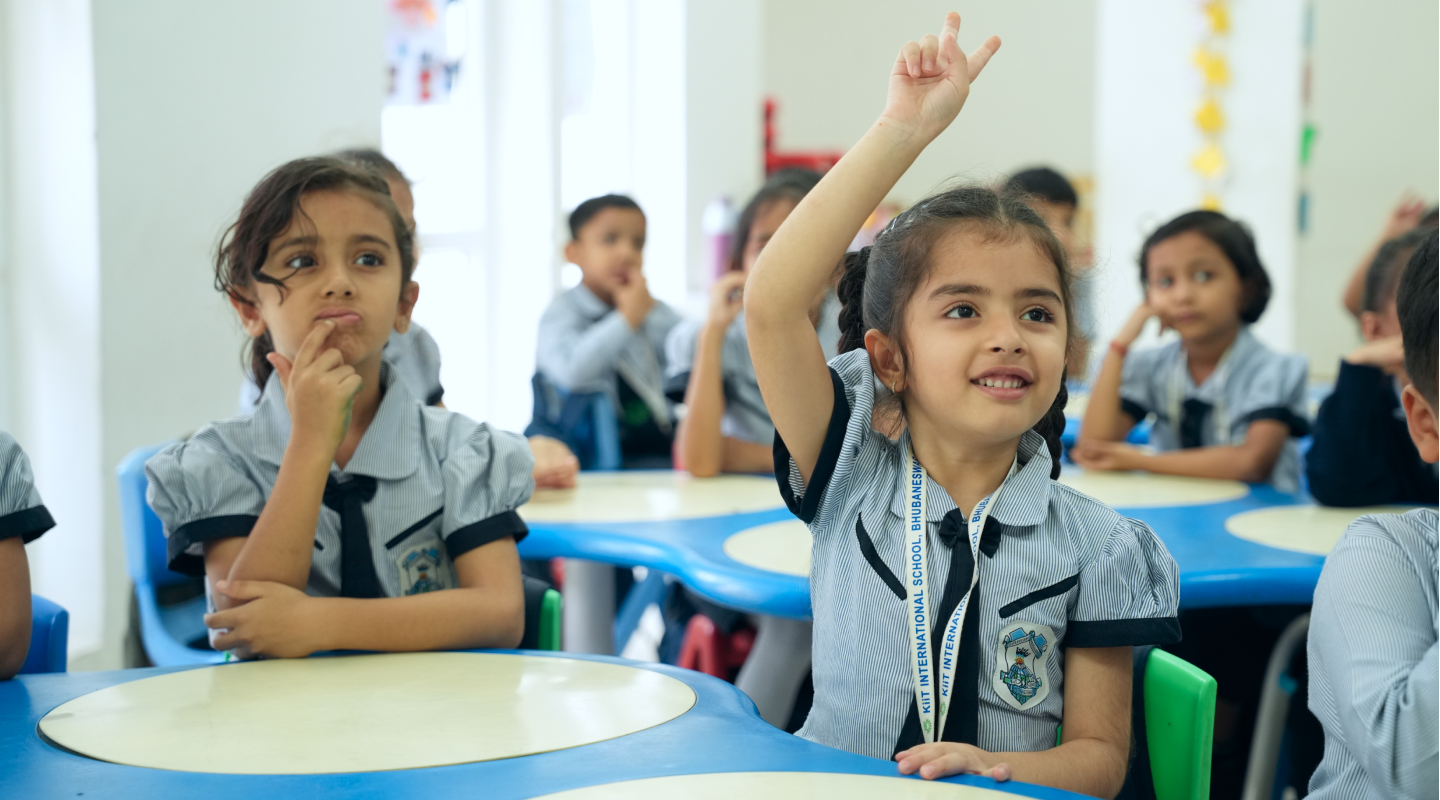
A school that encourages curiosity can help students become comfortable with asking questions. Instead of viewing questions as interruptions, teachers can use them as starting points for deeper exploration. Cosmos Castle International School can therefore be considered in the context of educational environments that seek to develop students beyond examination-oriented learning. When children are encouraged to explore different possibilities, they can gradually develop independent thinking and a willingness to learn from both success and mistakes.
Technology in Contemporary Learning
Technology has become an increasingly important part of education. Digital resources can provide students with access to educational videos, interactive exercises, online reference materials, presentations, simulations, and other learning tools. When used appropriately, technology can make certain concepts easier to visualize and can support different approaches to learning.
However, technology is most useful when it complements strong teaching rather than replacing it. Students also need to understand responsible digital behavior, online safety, information evaluation, and appropriate technology use. Schools can help learners develop these habits by incorporating digital tools into structured educational activities. Cosmos Castle International School is relevant to this discussion because modern school education increasingly requires students to develop both traditional academic knowledge and digital awareness. Learning how to use technology thoughtfully can become an important part of preparing students for higher education and future workplaces.
Developing Communication Skills
Communication is an essential skill that students use in classrooms, friendships, extracurricular activities, higher education, and professional environments. Schools can help children develop communication abilities through presentations, discussions, debates, reading, writing, group activities, and classroom participation. These experiences can teach students how to explain an idea clearly, listen to others, ask appropriate questions, and respond respectfully.
Strong communication skills can also improve confidence. A student who initially feels uncomfortable speaking in front of others may gradually become more comfortable through regular opportunities to participate. Teachers can create supportive environments where students are encouraged to express themselves without fear of making occasional mistakes. At Cosmos Castle International School, communication development can be considered an important part of a broader education because academic knowledge becomes more useful when students can clearly communicate what they know and understand.
Importance of Extracurricular Activities
Education extends beyond academic subjects. Extracurricular activities can give students opportunities to develop teamwork, leadership, discipline, creativity, and perseverance. Sports can encourage physical fitness and cooperation, while cultural activities can expose students to different forms of expression. Clubs, competitions, performances, educational projects, and community activities can also help children discover interests that may not emerge through regular classroom lessons.
Participation should ideally be balanced with academic responsibilities. Students need opportunities to explore their interests without feeling overwhelmed by excessive schedules. A thoughtful extracurricular program can help children learn how to manage time, cooperate with peers, accept responsibility, and respond constructively to both achievement and disappointment. These experiences can contribute to personal growth and make school life more varied and engaging.
Values, Discipline, and Responsibility
Academic knowledge is only one part of a student’s development. Values such as respect, honesty, responsibility, empathy, patience, and cooperation can influence how children interact with classmates, teachers, family members, and the wider community. Schools can reinforce these values through everyday classroom behavior, group work, school activities, and age-appropriate responsibilities.
Discipline is most effective when students understand the purpose behind expectations. Instead of seeing rules only as restrictions, learners can be encouraged to understand how routines create a safe and productive environment. Cosmos Castle International School can be discussed from this perspective as part of a broader educational model where personal responsibility and positive behavior complement academic development. Teaching students to respect different viewpoints and take responsibility for their actions can provide useful foundations for life beyond school.
Creating a Supportive Learning Environment
The atmosphere of a school can influence how students experience learning. A supportive environment allows children to ask questions, seek help, make mistakes, and continue improving. Teachers play a particularly important role because their feedback and encouragement can influence students’ attitudes toward challenging subjects.
A positive learning environment does not mean removing academic expectations. Instead, it means combining clear standards with appropriate support. Students can be encouraged to set realistic goals, monitor their progress, and celebrate improvement. Parents and teachers can also work together by communicating about academic development, interests, challenges, and achievements. This partnership can create greater consistency between home and school and help students feel supported throughout their educational journey.
Preparing Students for the Future
The future workplace is changing through technological development, automation, international collaboration, and new forms of communication. Students therefore need more than memorized information. They need adaptable skills such as critical thinking, creativity, collaboration, communication, digital literacy, and problem-solving.
Cosmos Castle International School can be viewed within this wider movement toward future-ready education. Preparing students for the future does not mean predicting exactly what careers they will choose. Instead, schools can help learners develop the ability to understand new information, adapt to changing circumstances, work with different people, and continue learning throughout their lives. These abilities can remain valuable regardless of the particular profession a student eventually enters.
Role of Parents in Education
Parents remain important partners in a child’s educational development. Regular communication with teachers can help families understand academic progress and identify areas where additional support may be useful. At home, parents can encourage reading, curiosity, healthy routines, responsible technology use, and consistent study habits.
Parental involvement does not necessarily mean supervising every assignment. Children also benefit from developing independence and learning to manage age-appropriate responsibilities themselves. Parents can support this process by asking about school experiences, listening to concerns, celebrating effort, and encouraging children to learn from setbacks. When home and school environments provide consistent encouragement, students may develop stronger confidence and a more positive attitude toward learning.
Conclusion
A meaningful education combines academic knowledge with personal growth, creativity, communication, values, and practical skills. Students need strong subject foundations, but they also benefit from opportunities to explore interests, collaborate with peers, use technology responsibly, and develop confidence. Cosmos Castle International School can be explored through this broader understanding of contemporary education, where learning is not limited to textbooks or examinations. A balanced school experience can help children become curious learners, responsible individuals, and adaptable future participants in society. Ultimately, the most valuable educational experiences are those that encourage students to keep learning, ask thoughtful questions, respect others, and recognize their own potential. By combining academic development with creativity, discipline, communication, and future-focused skills, a school can contribute meaningfully to a student’s long-term educational journey.


