
Introduction
The cosmos flower is a charming garden plant known for its delicate petals, graceful stems, and bright, daisy-like blooms. It is popular among gardeners because it can add color and movement to flower beds, borders, containers, and informal landscapes without demanding complicated care. Cosmos flowers are generally associated with warm weather and are available in several attractive colors, including pink, white, red, orange, and purple shades. Their light, feathery foliage also gives the plant an airy appearance that makes it different from many traditional flowering plants. Whether you are an experienced gardener or a beginner growing flowers for the first time, cosmos can be an enjoyable choice. With suitable sunlight, well-drained soil, moderate watering, and occasional maintenance, these plants can produce abundant blooms throughout their growing period.
What Is a Cosmos Flower?
The cosmos flower belongs to the Cosmos genus and is part of the Asteraceae family, which also includes familiar plants such as daisies and sunflowers. Cosmos plants are native to regions of the Americas but have become popular ornamental flowers in gardens around the world. They are usually recognized by their simple, open blooms surrounding a central disk. Depending on the species and variety, plants can range from compact forms suitable for containers to tall varieties that work well at the back of flower borders. Their delicate foliage is finely divided and creates a soft green background for the colorful flowers. Cosmos is also appreciated for its relatively easy-growing nature, making it a practical option for gardeners who want attractive seasonal flowers without extensive maintenance.
Popular Types of Cosmos
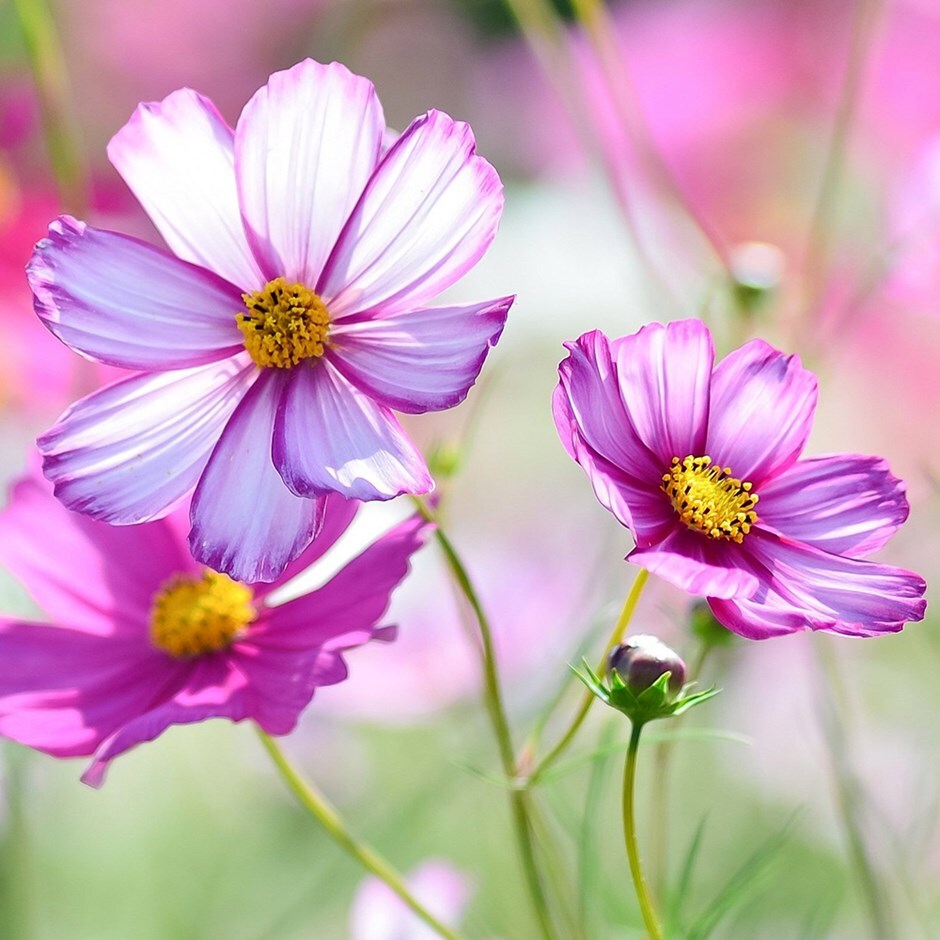
There are several types of cosmos cultivated for ornamental purposes, with different flower sizes, colors, and growth habits. Cosmos bipinnatus is one of the most familiar garden species and is often grown for its pink, white, and reddish flowers. Another well-known species, Cosmos sulphureus, generally produces warm-colored blooms in shades of yellow, orange, and red. Some varieties have single flowers, while others have semi-double or double blooms that create a fuller appearance. Dwarf cultivars are useful for pots, balconies, and smaller gardens, whereas taller varieties can provide height and visual interest in larger landscapes. Choosing a variety according to available space, sunlight, and desired flower color can make the gardening experience more successful.
Ideal Growing Conditions
The cosmos flower generally performs best when it receives plenty of sunlight. A location that receives several hours of direct sunlight each day can encourage strong growth and plentiful flowering. Cosmos is relatively adaptable, but extremely heavy or poorly drained soil can create problems because excessive moisture around the roots may affect plant health. Moderately fertile soil with good drainage is usually suitable. Interestingly, overly rich soil may encourage lush leafy growth while producing fewer flowers. For this reason, cosmos does not always require heavy fertilization. Good air circulation is also useful, particularly when plants are grown closely together. Providing adequate space allows foliage to dry more quickly after watering and helps create healthier growing conditions.
How to Grow Cosmos From Seeds
Growing cosmos from seeds is one of the easiest ways to establish these flowers. Seeds can be sown directly into prepared garden soil after the risk of severe cold has passed. Choose a sunny location and loosen the soil before planting. Scatter or place the seeds at a shallow depth according to the instructions for the selected variety, then lightly cover them with soil. Keep the area consistently but moderately moist while the seeds germinate. Once seedlings appear, overcrowded plants can be thinned so that the remaining seedlings have enough room to develop. Cosmos generally grows quickly under favorable conditions, and gardeners may see young plants become established within a relatively short period. Starting from seed also gives gardeners the opportunity to grow several colors and varieties together.
Watering Requirements
The watering needs of a cosmos flower are generally moderate once the plant becomes established. Young seedlings need consistent moisture because their developing root systems can dry out quickly. However, the soil should not remain constantly saturated. As plants mature, they can often tolerate periods of relatively dry conditions better than excessive watering. Gardeners should pay attention to the soil rather than following a rigid watering schedule. If the upper layer of soil feels dry, watering may be appropriate, especially during hot weather. Applying water near the base of the plant can help keep the foliage dry and reduce unnecessary moisture on leaves and flowers. Container-grown cosmos may need more frequent attention because pots can lose moisture faster than garden soil.
Sunlight and Temperature
Cosmos is considered a warm-season flowering plant and generally appreciates bright sunlight. Strong light supports sturdy stems and encourages the development of flowers. Plants grown in locations with insufficient sunlight may become tall and weak while producing fewer blooms. Warm temperatures are generally favorable during the active growing season. In cooler climates, gardeners typically grow cosmos as an annual, while in suitable warm regions it may continue flowering for longer periods. Extremely harsh weather can still affect growth, so local climate conditions should be considered when deciding when to plant. Providing a sunny, open location is one of the simplest ways to encourage healthy growth and a long display of flowers.
Caring for Cosmos Plants
Basic care for a cosmos flower mainly involves watering when necessary, removing unwanted weeds, and monitoring the plant for common garden problems. Taller varieties may sometimes benefit from support, particularly when strong winds or heavy rain cause stems to lean. Deadheading, or removing faded flowers, can help maintain a tidy appearance and may encourage continued flowering in some growing conditions. However, gardeners who want the plant to produce seeds can leave some flowers to mature naturally. Pruning is generally not complicated, although cutting back overly tall or damaged stems can improve the overall appearance. Regular observation is more useful than intensive maintenance because cosmos is generally considered a low-maintenance ornamental plant.
Cosmos Flowers in Containers
Growing cosmos in containers can be an excellent option for people with balconies, patios, terraces, or small gardens. Compact varieties are particularly suitable because they require less space and are easier to manage. Select a container with drainage holes and use a suitable, well-draining potting mixture. The container should be large enough to accommodate the mature root system of the selected variety. Place the pot where the plant can receive sufficient sunlight, and monitor soil moisture because containers tend to dry out faster than garden beds. Avoid excessive watering, as poor drainage can damage roots. With appropriate care, container-grown cosmos can provide a colorful display while taking up relatively little outdoor space.
Common Pests and Problems
Although cosmos is generally easy to grow, plants can occasionally experience pest or disease-related problems. Aphids, for example, may gather around young shoots and flower stems, while other small insects can occasionally feed on foliage. Poor air circulation and excessive moisture may contribute to fungal problems in certain conditions. Regularly checking the leaves, stems, and flowers can help gardeners identify issues early. Removing badly affected plant material and improving airflow may help reduce some problems. Gardeners should avoid unnecessary chemical treatments and instead consider the severity of the problem before choosing a control method. Healthy plants grown in suitable conditions are often better able to withstand minor pest pressure.
Uses of Cosmos in Gardens
The cosmos flower has many decorative uses because of its open shape and graceful growth habit. It can be planted in traditional flower beds, cottage-style gardens, borders, pollinator-friendly spaces, and informal landscapes. Taller varieties can add height behind shorter plants, while compact varieties can work well near pathways or in containers. Cosmos can also create an attractive mass of color when several plants are grown together. Its delicate appearance makes it useful for creating a relaxed and natural garden style rather than a highly structured landscape. Combining different flower colors can create additional visual interest, while planting cosmos alongside other seasonal flowers can produce a diverse and lively garden display.
Cosmos and Pollinators
Flowering plants can play an important role in supporting garden biodiversity, and cosmos can be a useful addition to spaces designed to attract pollinating insects. The open flower structure provides accessible blooms that can be visited by bees, butterflies, and other insects. Growing a variety of flowering plants with different blooming periods can provide a more continuous source of nectar and pollen. Avoiding unnecessary pesticide use can also make gardens more welcoming to beneficial insects. A garden containing cosmos along with other pollinator-friendly flowers can therefore combine ornamental value with ecological interest. Gardeners who enjoy watching insects can find these flowers particularly rewarding during the active flowering season.
When Does Cosmos Bloom?
The flowering period of cosmos depends on the variety, planting time, temperature, and local growing conditions. When plants receive enough sunlight and suitable care, they can produce flowers over an extended portion of the warm growing season. Regularly removing faded blooms may help maintain a fresh appearance and encourage additional flowering. However, allowing some flowers to remain on the plant can lead to seed production, which can be useful for gardeners who want to collect seeds for future planting. Blooming may slow as temperatures or daylight conditions change. Observing the plant and adapting care to the local environment is generally more effective than expecting exactly the same flowering schedule in every garden.
Benefits of Growing Cosmos
One major benefit of growing a cosmos flower is its combination of beauty and relatively simple care. The plants can bring bright seasonal color to gardens without requiring complicated gardening techniques. Their varied flower colors allow gardeners to create different visual themes, while their airy foliage adds texture. Cosmos can also be useful in pollinator-friendly gardens and can be grown in containers when space is limited. Because the plants are commonly grown from seed, gardeners can experiment with several varieties without needing to purchase mature plants. Their adaptable nature makes cosmos an appealing choice for beginners, while their graceful appearance keeps them interesting for experienced gardeners.
Tips for Growing Healthy Cosmos
For the best results, gardeners should begin by selecting a sunny location with well-drained soil. Avoid excessive fertilization, particularly if plants are already producing plenty of foliage. Water young plants regularly while allowing established plants to dry slightly between watering sessions. Remove weeds around the base so young plants do not have to compete for moisture and nutrients. Taller varieties may need support in exposed locations. Deadheading can help maintain a neat appearance, while leaving selected flowers on the plant can encourage natural seed production. Most importantly, gardeners should observe how plants respond to local conditions and adjust watering, spacing, and maintenance accordingly.
Conclusion
The cosmos flower is an attractive and approachable choice for gardeners who want colorful blooms with relatively straightforward care requirements. From its delicate foliage and open flowers to its range of colors and varieties, cosmos can bring a cheerful character to gardens, containers, borders, and pollinator-friendly spaces. Providing sufficient sunlight, suitable drainage, moderate watering, and occasional maintenance can help these plants grow vigorously and flower generously. Beginners can start with seeds and gradually experiment with different varieties as they gain confidence. With thoughtful planting and basic care, cosmos can become a rewarding part of a seasonal garden and provide an extended display of natural color and beauty.


