
Introduction
The cosmos flower is a popular garden plant admired for its delicate petals, slender stems, and cheerful appearance. It is often associated with cottage gardens, summer landscapes, borders, containers, and natural-looking flower beds. The plant is relatively easy to grow, making it suitable for beginners as well as experienced gardeners. Its graceful flowers can add movement and color to outdoor spaces while attracting pollinators such as bees and butterflies.
One of the reasons gardeners appreciate cosmos is its ability to grow in ordinary garden conditions with relatively modest care. It generally prefers plenty of sunlight, reasonably fertile soil, and good drainage. Once established, the plants can tolerate periods of dryness better than many delicate flowering plants. With proper planting and basic maintenance, gardeners can enjoy a long flowering season. Understanding its growing requirements, varieties, watering needs, pruning methods, and common problems can help create healthier and more productive plants.
What Is a Cosmos Flower?
Cosmos belongs to the daisy family, Asteraceae, and includes several flowering species commonly grown as ornamental plants. Two widely cultivated types are Cosmos bipinnatus, known for larger daisy-like flowers, and Cosmos sulphureus, which generally produces warmer shades such as yellow, orange, and red. The flowers can appear in several colors depending on the variety, while the foliage is typically fine and feathery.
The plant is known for its upright growth and airy appearance. Depending on the variety and growing conditions, plants can range from compact forms suitable for containers to taller varieties that may need support in exposed locations. Their open flower structure makes them particularly attractive to pollinating insects. Because they are relatively uncomplicated to cultivate, cosmos has become a familiar choice for gardeners who want abundant seasonal flowers without complicated maintenance.
Why Cosmos Is Popular Among Gardeners
The appeal of the cosmos flower comes from its combination of beauty and relatively simple care requirements. The flowers have a light, graceful appearance that works well in informal garden designs. Their tall stems can create layers in a flower bed, while shorter varieties can be used around pathways or in containers.
Another advantage is the plant’s adaptability. Cosmos generally performs well when given sufficient sunlight and well-drained soil. It does not usually require an elaborate feeding program, and excessive fertilizer can sometimes encourage foliage at the expense of flowers. Regular removal of faded blooms can also encourage continued flowering.
For gardeners interested in attracting pollinators, cosmos can be a useful addition to a mixed planting scheme. Bees and butterflies may visit the open flowers, particularly when the garden contains several nectar-producing plants.
Choosing the Right Location
Selecting a suitable planting location is one of the most important steps in growing healthy cosmos. The plants generally perform best in an area that receives several hours of direct sunlight each day. Good light encourages sturdy growth and abundant flowering.
The planting area should also have reasonable air circulation and drainage. Waterlogged soil can create unfavorable conditions for roots, while excessively shaded areas may produce weaker stems and fewer flowers. Before planting, gardeners can loosen compacted soil and remove large stones or debris.
Although cosmos can tolerate average soil conditions, extremely rich soil is not always necessary. A moderate level of fertility can encourage balanced growth. If the soil is naturally fertile, additional feeding may be limited. The goal is to provide enough nutrition for healthy plants without encouraging excessive leafy growth.
When to Plant Cosmos
Cosmos is commonly grown from seed because the seeds are relatively straightforward to sow. The best planting period depends on the local climate. In areas with a warm climate, gardeners can often sow when severe cold has passed and the soil is suitable for active growth. In cooler regions, seeds are usually planted after the risk of damaging frost has decreased.
Direct sowing can be effective because cosmos generally dislikes unnecessary root disturbance. Seeds can be placed in prepared soil and lightly covered. Keeping the soil moderately moist during germination helps seedlings establish.
Gardeners should avoid planting too early in conditions that are too cold or wet. Waiting for suitable temperatures can improve germination and reduce early plant stress. Local seasonal conditions are more important than following a single calendar date for every region.
Growing Cosmos From Seeds
Growing cosmos from seeds is one of the easiest ways to establish a colorful flower display. The planting area should first be cleared of weeds and loosened to create a suitable seedbed. Seeds can then be distributed with enough space to prevent excessive crowding.
After sowing, the soil should remain lightly moist until seedlings emerge. Overwatering should be avoided because constantly saturated soil can create problems for young plants. Once seedlings become established, watering can gradually be adjusted according to weather and soil conditions.
Thinning may be useful if too many seedlings emerge close together. Providing adequate spacing improves airflow and gives individual plants more access to sunlight and nutrients. The exact spacing depends on the variety, so gardeners should consider the mature size of the plants.
Sunlight Requirements
Adequate sunlight is essential for productive flowering. Cosmos generally performs best in bright locations where plants receive substantial direct light. Insufficient light can result in elongated stems, reduced flowering, and weaker overall growth.
A sunny position also helps foliage dry more quickly after watering or rainfall, which can support healthier plant conditions. If the garden receives intense afternoon heat, gardeners should still observe how the plants respond to local conditions.
The ideal amount of light can vary depending on climate, soil, and variety. Observing the plant is useful. Strong stems, healthy foliage, and regular flower production generally indicate that the growing location is suitable.
Watering and Soil Requirements
Cosmos usually prefers soil that drains efficiently. During the early growth stage, consistent moisture is helpful because young plants have smaller root systems. Once established, plants can generally tolerate some drying between watering sessions.
Watering should be adjusted according to rainfall, temperature, soil type, and container size. Plants growing in containers may require more frequent watering than those planted directly in the ground because containers dry out faster.
It is better to water the root zone thoroughly when needed rather than repeatedly wetting only the surface. Allowing excessive water to remain around the roots can create unfavorable conditions. Good drainage is therefore an important part of successful cultivation.
Fertilizing Cosmos Plants
Cosmos typically does not require heavy feeding. In fact, excessive nitrogen can encourage abundant foliage while reducing the emphasis on flowers. Gardeners should therefore avoid assuming that more fertilizer automatically means more blooms.
If the soil is poor, a balanced and moderate approach to feeding may support healthy development. Compost or well-decomposed organic matter can also improve soil structure. However, the plant generally performs well without an elaborate fertilization routine when grown in reasonably suitable soil.
Observing plant growth can help determine whether additional nutrition is needed. Pale foliage, weak development, or poor flowering may have several possible causes, so fertilizer should not be used as the automatic solution to every problem.
Deadheading and Pruning
Removing faded flowers, known as deadheading, can help maintain a tidy appearance and encourage continued flowering in many cosmos varieties. When flowers begin to fade, gardeners can remove them before they produce mature seeds if the goal is to encourage additional blooms.
Pruning can also be useful when plants become excessively tall or begin to lean. Cutting back certain varieties may encourage branching and create a fuller appearance. However, pruning should be performed thoughtfully rather than excessively.
If gardeners want cosmos to self-seed, some mature flowers can be left on the plant. The seeds may fall naturally and produce new plants in a suitable environment during the following growing season.
Common Cosmos Varieties
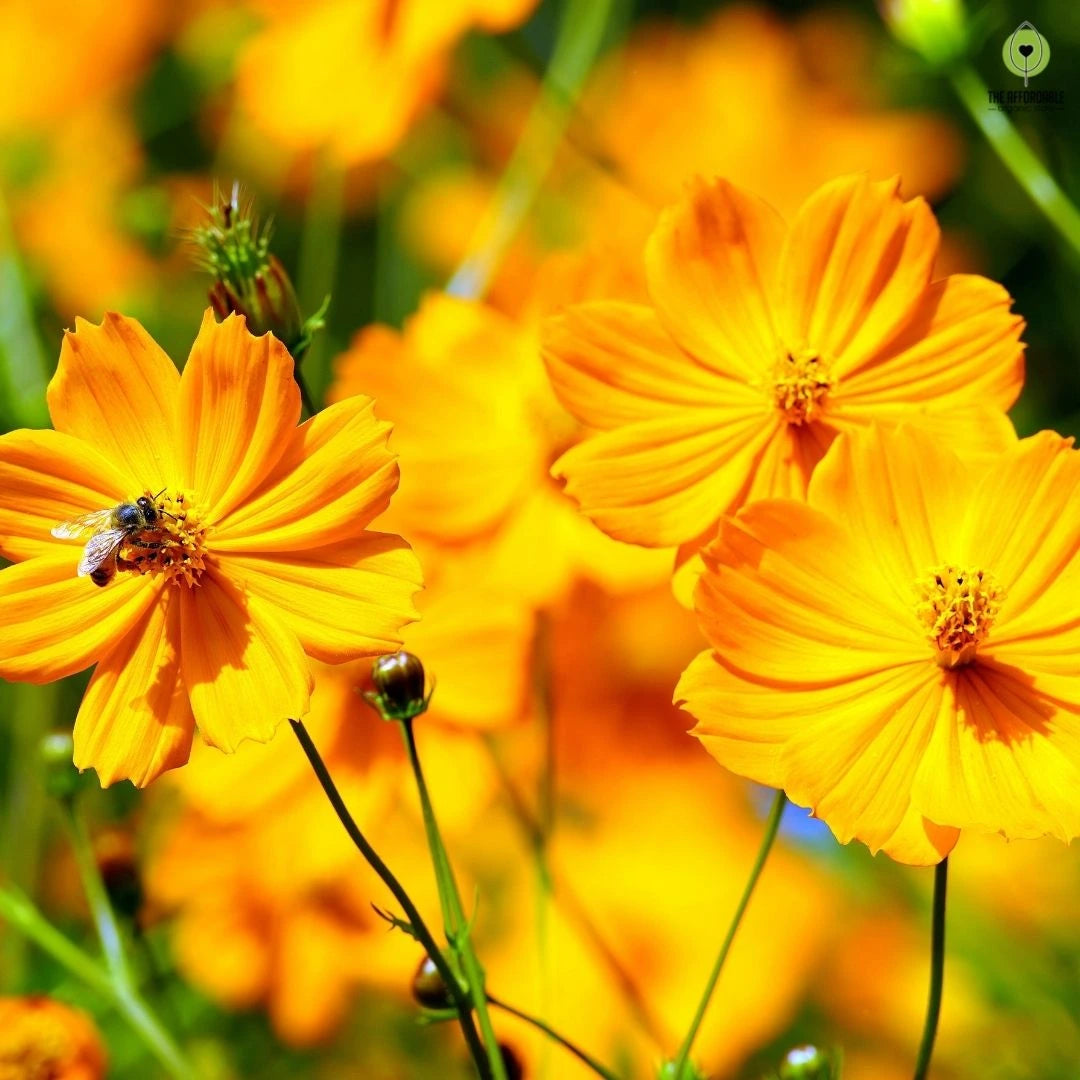
There are many cosmos varieties with differences in flower color, size, petal form, and plant height. Cosmos bipinnatus commonly features pink, white, or reddish flowers and fine foliage. Cosmos sulphureus is known for warmer shades, including yellow and orange.
Some varieties have single flowers, while others may have more elaborate petal arrangements. Compact cultivars can be useful for containers or smaller gardens, whereas taller varieties can create height toward the back of flower borders.
Choosing a variety should depend on the available space, desired flower color, climate, and intended garden design. Mixing different types can create a varied display throughout the flowering season.
Cosmos Flower and Pollinators
The open flowers of cosmos can provide accessible feeding opportunities for pollinating insects. Bees and butterflies are often attracted to flowering garden plants, and cosmos can contribute to a diverse planting environment.
A pollinator-friendly garden should not rely on a single plant. Combining cosmos with other flowering species that bloom at different times can provide a more continuous source of food for visiting insects.
Avoiding unnecessary pesticide use and providing suitable shelter and water sources can also support a healthier garden ecosystem. Cosmos can therefore be part of a broader approach to creating an inviting environment for beneficial insects.
Growing Cosmos in Containers
Cosmos can also be grown in containers, especially compact varieties. Container gardening is useful for balconies, patios, terraces, and small outdoor areas where traditional flower beds are unavailable.
The container should have adequate drainage holes and should be large enough to support the expected mature size of the plant. A good-quality growing medium can provide suitable root conditions.
Container-grown plants may need more frequent watering because their soil volume is limited. Gardeners should check the moisture level regularly while avoiding constant saturation. Positioning containers in a bright location can also encourage stronger flowering.
Common Growing Problems
Although cosmos is generally easy to grow, several problems can affect its performance. Excessive moisture can create root-related difficulties, while poor light may lead to weak and elongated growth. Overcrowding can reduce airflow and create an environment that is less favorable for healthy foliage.
Insects may occasionally appear on plants. Aphids, for example, can gather around young shoots or flower stems. Regular observation allows gardeners to identify problems early. In many situations, natural predators and basic garden hygiene can help keep minor pest populations under control.
If a plant suddenly stops flowering, gardeners should consider several factors, including sunlight, excessive fertilizer, watering practices, plant age, and environmental stress rather than assuming there is one specific cause.
How to Encourage More Blooms
Gardeners who want an impressive display should focus on the plant’s basic requirements. Plenty of sunlight, suitable soil, appropriate watering, and adequate spacing provide a strong foundation for flowering.
Deadheading can encourage many plants to continue producing flowers rather than directing energy toward seed development. Avoiding excessive fertilizer is also useful because too much nitrogen can encourage leafy growth.
A healthy plant that receives sufficient light will generally have a better opportunity to produce abundant flowers. Patience is also important because flowering can vary according to variety and local weather conditions.
Cosmos Flower in Garden Design
Cosmos can be used in many different garden styles. Its airy foliage and tall stems work particularly well in informal borders and cottage-style landscapes. The flowers can also provide attractive color when planted among grasses, herbs, or other seasonal flowers.
Taller varieties can be placed toward the back of a flower bed, while shorter varieties may work better near paths or containers. Planting several colors together can create a lively display.
Because the flowers have a delicate appearance, cosmos can also soften areas containing stronger architectural plants. Its movement in the breeze adds another visual dimension to a garden.
Conclusion
The cosmos flower is an attractive and relatively easy-to-grow choice for gardeners who want colorful seasonal blooms. Its delicate flowers, feathery foliage, and ability to attract pollinators make it suitable for a wide range of garden settings. With sufficient sunlight, well-drained soil, sensible watering, and occasional maintenance, gardeners can encourage healthy growth and a long flowering period.
Growing cosmos from seed can be a rewarding experience, especially for beginners. Choosing the right variety, planting at an appropriate time, avoiding excessive fertilizer, and removing faded flowers when desired can all contribute to a successful display. Whether planted in a large flower bed or a small container, cosmos can bring a light and cheerful character to outdoor spaces. With thoughtful care and suitable growing conditions, this versatile flower can become a beautiful seasonal feature in many gardens.
Connection interrupted. Waiting for the complete answer


